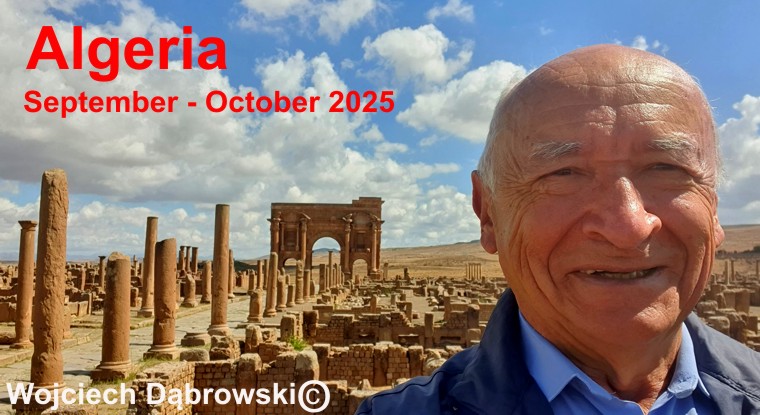
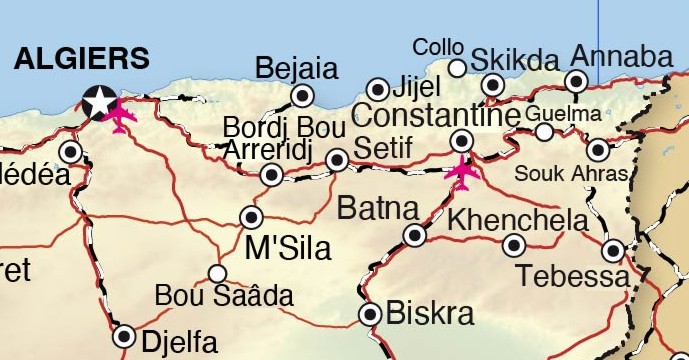
In September 2025 I embarked on a next sea voyage around Europe (map), starting in Copenhagen and ending in Marseille. I decided to take afterwards the advantage of cheap flights between France and Algeria to revisit the country and explore new places in its northeastern region. For the first time I visited Algeria in 1979, backpacking as far as Tamanrasset in the Sahara.
We wrześniu roku 2025 wyruszyłem w kolejną morską podróż dookoła Europy (tu mapa), która rozpoczęła się w Kopenhadze a zakończyła się w Marsylii. Postanowiłem skorzystać potem z tanich lotów między Francją i Algierią, aby ponownie odwiedzić ten kraj i poznać nowe miejsca w północno-wschodnim regionie tego kraju. Po raz pierwszy byłem w Algierii w roku 1979, docierając z plecakiem aż do Tamanrasset na Saharze.
Algeria, although not far from Europe, is rarely visited by tourists. Visa difficulties are the main reason. To obtain a tourist visa, you must present an original, government-approved invitation from an Algerian citizen or confirmation of hotel reservations for the entire stay. The visa is not cheap – Poles pay 360 złoty.
Algieria, choć wcale nie tak odległa od Europy jest rzadko odwiedzana przez turystów. Głównym powodem są utrudnienia wizowe. Aby uzyskać wizę turystyczną trzeba przedstawić oryginał potwierdzonego przez władze zaproszenia od obywatela Algierii lub potwierdzenia rezerwacji noclegów w hotelach na cały okres pobytu. Wiza nie jest tania - Polacy płacą 360 złotych.
Francuzi zajęli Algierię w 1830 roku i przez następny wiek wytrwale ją kolonizowali, sprowadzając tu ponad milion osadników z Europy. Po okresie kolonialnym pozostało w miastach tego kraju dużo ładnej architektury. Kraj uzyskał niepodległość dopiero w 1962 roku. Potem przyszła wojna domowa i walki o władzę inspirowane przez muzułmańskich fundamentalistów. Efekty lat niestabilnej sytuacji odczuwa się do dziś. W tym nieufność aparatu władzy do wszystkich obcych...
The French occupied Algeria in 1830 and persistently colonized it for the next century, bringing over a million settlers from Europe. The colonial period left much of the country's beautiful architecture intact. The country only gained independence in 1962. Then came civil war and power struggles inspired by Muslim fundamentalists. The effects of years of instability are still felt today, including the government's distrust of outsiders...
I flew from Lyon in France to Setif, a city of 300,000 in the north of the country, on the budget airline Volotea. Passport control wasn't pleasant. Despite having a visa, the officer asked me numerous questions and took a long time to fill out a white arrival card. Do you know anyone in Algeria? Why have you come? Is anyone waiting for you at the airport? What address will you be staying at? When they finally let me out of the terminal building, it turned out that the only way from the airport to the city was by taxi. Fortunately, the fare (1,000 dinars) wasn't too high.
Samolotem taniej linii Volotea przyleciałem z Lyonu we Francji do Setifu, 300-tysiecznego miasta na północy kraju. Odprawa paszportowa nie była przyjemna. Mimo posiadania wizy oficer zadawał mi liczne pytania i długo wypełniał biała kartę przyjazdową. Czy znasz kogoś w Algerii? Po co przyjechałeś? Czy ktoś na Ciebie czeka na lotnisku? Pod jakim adresem będziesz tu mieszkać? Gdy mnie w końcu wypuścili z budynku terminalu okazało się, że z lotniska do miasta dojechać można tylko taksówką. Na szczęście opłata za kurs (1000 dinarów) nie była wysoka.
My first problem was exchanging money. It's worth noting that there's a black market in Algeria, where euros and dollars can fetch 50% more than in a bank. On the plane (where I was the only European), I found someone willing to exchange money for me. He knew the exact black market rate (260 dinars to 1 euro) and was happy to exchange it for me.
Pierwszym moim problemem była wymiana pieniędzy. Warto wiedzieć, że w Algierii funkcjonuje czarny rynek, na którym za euro czy dolara płacą 50% więcej niż w banku. Już w samolocie (gdzie byłem jedynym Europejczykiem) znalazłem chętnego, który znał dokładnie czarnorynkowy kurs euro (260 dinarów za 1 euro) i chętnie wymienił mi pieniądze.
The second problem was purchasing a local SIM card for my phone. After several attempts, it turned out that only one network operator, OOREDOO, accepts cards based on foreign passports. A SIM card with a 40GB data package cost me 1,500 dinars, or about $7.
Drugim problemem był zakup lokalnej karty SIM do mojego telefonu. Po kilku próbach okazało się, że tylko jeden operator sieci - OOREDOO rejestruje karty na podstawie cudzoziemskich paszportów. SIM z pakietem danych 40GB kosztował mnie 1500 dinarów czyli około 7 dolarów.
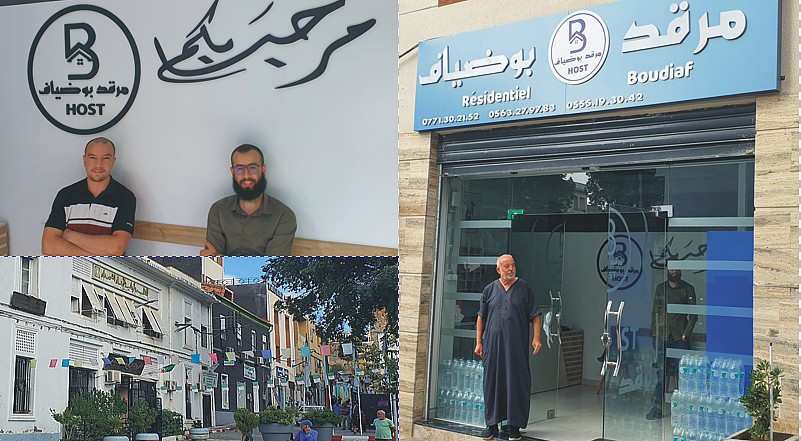
In the center of Setif, on a side street, I found a clean hostel where you could stay overnight for 1,000 dinars in a big shared dormitory or for 3,500 dinars in a room with a bathroom in the hallway. The photo above will help you find it... The next morning, I set out to explore the city. Setif's icon isn't a mosque at all, but the colonial-era Ain El Fouara fountain, with its sculpture depicting (oh my god!) a naked woman. I'd never seen anything like it in any other Islamic city!
W centrum Setifu, w jednej z bocznych uliczek znalazłem czysty hostel, gdzie można było przenocować za 1000 dinarów w wieloosobowej sypialni lub za 3500 w pokoju z łazienką na korytarzu. Zdjęcie powyżej pomoże wam go odnaleźć... Następnego poranka wyruszyłem na zwiedzanie miasta. Ikoną Setifu nie jest wcale meczet, ale zbudowana w czasach kolonialnych fontanna Ain El Fouara z rzeźbą przedstawiającą (o zgrozo!) nagą kobietę. W żadnym innym islamskim mieście nie widziałem czegoś takiego!
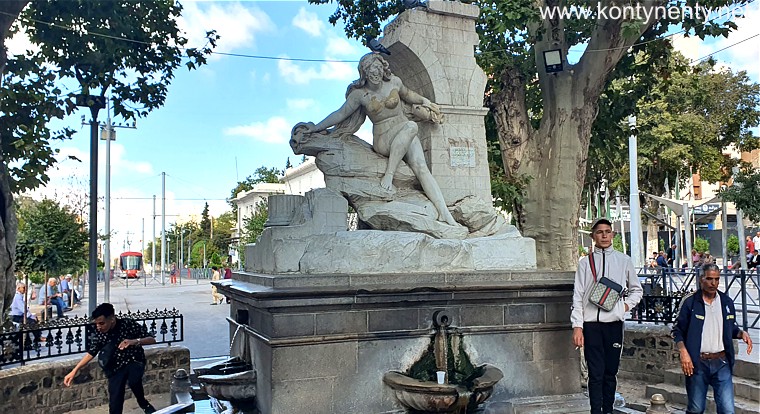
Arab youths take photos by the fountain, and no locals are bothered to wash or drink from the fountain's water...
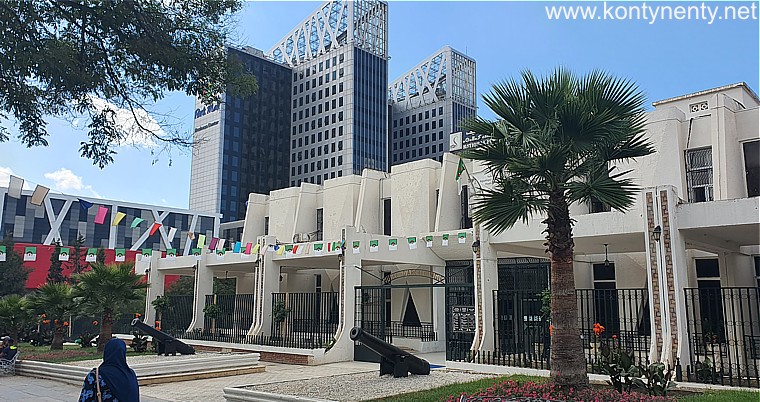
East of the fountain, you'll find Setif's most impressive hotel and shop
complex. And just beyond it, the Archaeological Museum—the most important in
the city. Among its exhibits are mosaics transferred from Roman ruins.
Admission costs only 200 dinars—the equivalent of one dollar.
Arabska młodzież fotografuje się przy fontannie i nikomu z miejscowych nie przeszkadza się tu myć i pić wodę z fontanny...
Na wschód od fontanny znajdziecie najbardziej okazały zespół hotelowo - sklepowy Setifu. A zaraz za nim - Muzeum Archeologiczne - najważniejsze w tym mieście. Wśród jego eksponatów wyróżniają się mozaiki przeniesione z rzymskich ruin. Wstęp kosztuje tylko 200 dinarów - równowartość jednego dolara:
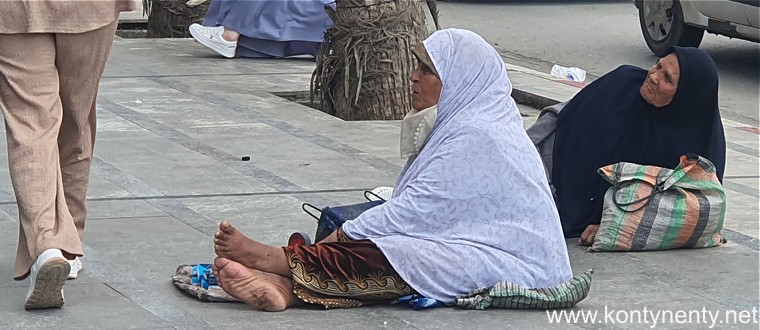
In front of this modern architectural complex, beggars sat on the sidewalk. Unsure of the reaction of those around me, I took this photo covertly. Images like this are also common here, though not very often:
Przed tym nowoczesnym kompleksem architektonicznym siedziały na chodniku żebraczki. Niepewny reakcji otoczenia zrobiłem to zdjęcie z ukrycia. Takie obrazki też się tu widuje, choć niezbyt często:
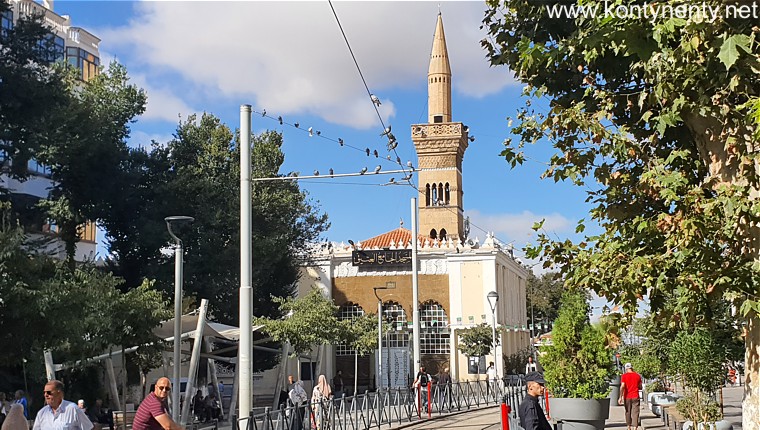
Algeria is a Muslim country. About a hundred meters from my quarters stood Setif's most beautiful mosque - Mosque El Atik. I didn't need to set an alarm. The loud call to prayer, amplified by loudspeakers, first rang out around 5:30 a.m.—still in the dark. No mercy! Like most locals, I dozed off afterward and tried to sleep until sunrise, which occurred around seven—then the call was repeated:
O jakieś sto metrów od mojej kwatery stał najładniejszy meczet Setifu - El Atik. Nie potrzebowałem ustawiać budzenia. Donośne nawoływanie do modlitwy, wzmocnione przez megafony rozbrzmiewało po raz pierwszy około 5.30 -jeszcze po ciemku. Trudno, jak większość miejscowych zapadałem potem w drzemkę i starałem się zasnąć aż do wschodu słońca, który następował około siódmej - wtedy nawoływanie rozlegało się ponownie:
A solo traveler can peer into the mosque and discreetly photograph it without hindrance, something that certainly wouldn't be possible if I were traveling with a group. Of course, shoes must be removed. The worshippers of Allah themselves behave quite unceremoniously within their temples: they not only pray, but also meditate while sitting, lying down, and even take naps, and no one is surprised:
Samotny podróżnik bez przeszkód może tu zaglądać do wnętrza meczetu i dyskretnie fotografować, co na pewno nie było by możliwe gdybym podróżował z grupą. Trzeba oczywiście zdjąć obuwie. Sami wyznawcy Allacha we wnętrzach swoich świątyń zachowują się dość bezceremonialnie: nie tylko modlą się, ale także medytują siedząc, leżą, a nawet ucinają sobie drzemkę i nikogo to nie dziwi:
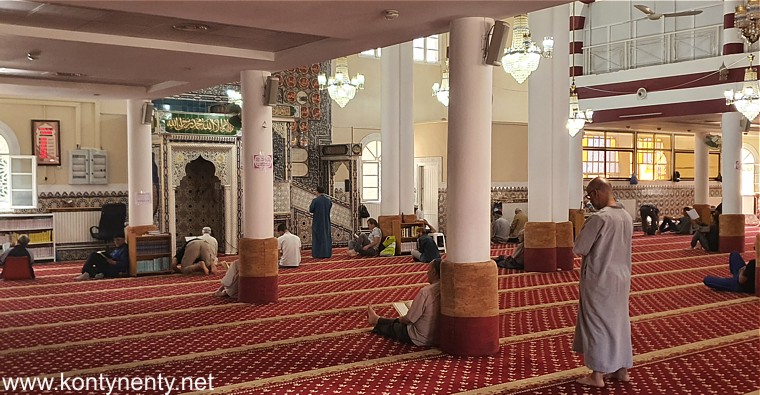
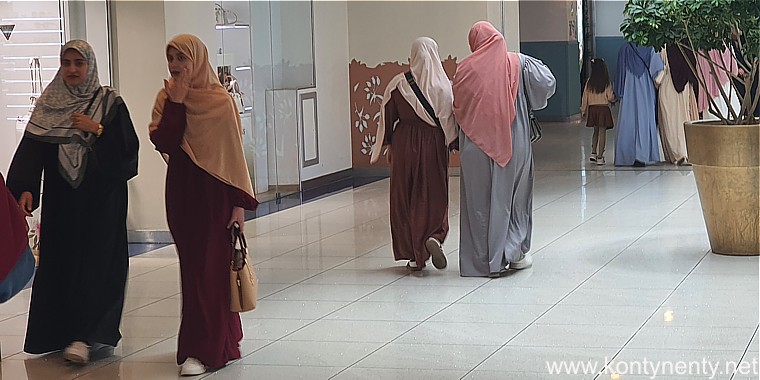
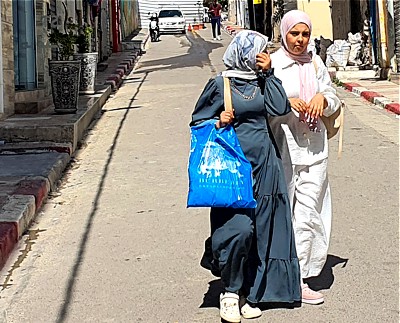
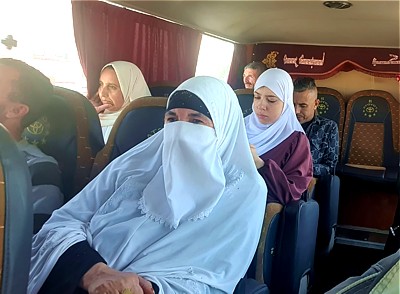
And why are there no women in the mosque? Theoretically, they have their own balcony where they can pray in secret. In practice, I haven't seen a single woman there. I've seen them on the streets – in traditional robes. When I took a minibus from Setif to Jamila, 45 kilometers away, they sat in the same compartment as us men:
A czemu w meczecie nie ma kobiet? Teoretycznie mają swój balkon, gdzie mogą się w ukryciu modlić. W praktyce nie widziałem tam ani jednej niewiasty. Widziałem je na ulicach - w tradycyjnych szatach. Gdy jechałem minibusem z Setifu do odległej o 45 km Dżamili siedziały w jednym przedziale z nami mężczyznami:
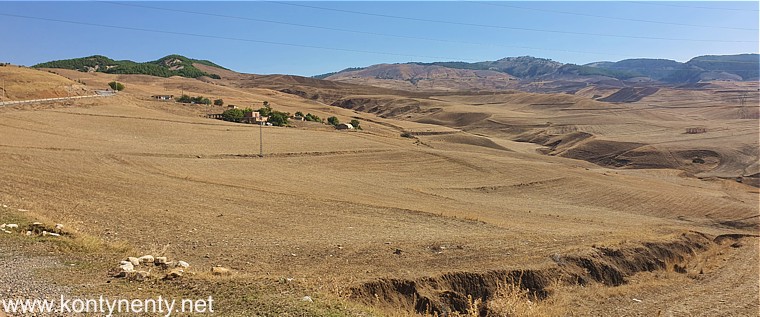
The journey was divided into two stages: first, a larger minibus to El Eulma for 50 dinars, and from there, another minibus for 60 dinars to Djemila. We drove through the landscape shown in the photo below. It wasn't a desert. This is what the fields look like after harvest:
Podróż podzielona była na 2 etapy: najpierw większy minibus do El Eulma za 50 dinarów, a stamtąd kolejnym minibusem za 60 dinarów do Dżamili. Jechaliśmy w takim krajobrazie jak na zdjęciu poniżej. To nie była pustynia. Tak wyglądają tutaj pola po zbiorach:
Djemila is one of the best-preserved Roman ruin complexes in North Africa. The Romans occupied the area at the end of the first century and built the city of Ciucul. What remains of it has been designated a UNESCO World Heritage Site.
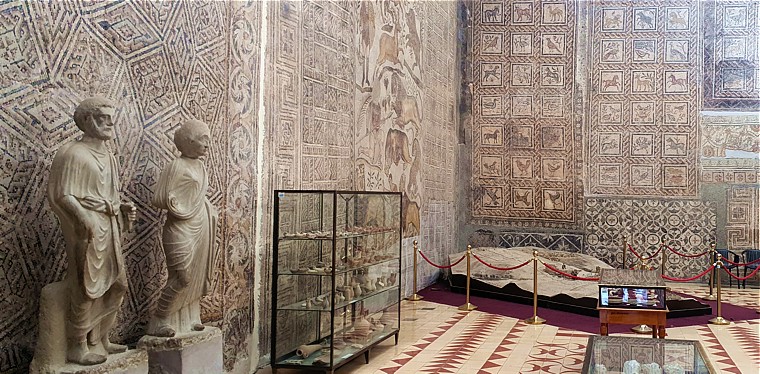
Minibuses from El Eulma pass through the Arab town and terminate at the gate to the Archaeological Park. At the gate, you must pay 130 dinars for entry. Be prepared for document checks and questions about your Algerian address. Just beyond is the museum building, which houses mosaics and sculptures from the excavations (admission is an additional 120 dinars).
Dżamila to jeden z najlepiej zachowanych w Północnej Afryce kompleksów rzymskich ruin. Rzymianie zajęli te tereny pod koniec pierwszego wieku i zbudowali miasto Ciucul. To, co z niego przetrwało do naszych czasów zostało wpisane przez UNESCO na listę Światowego Dziedzictwa.
Minibusy z El Eulma przejeżdżają przez arabskie miasteczko i kończą bieg przy bramie do Parku Archeologicznego. Za bramą trzeba zapłacić 130 dinarów za wstęp. Przygotujcie się także na kontrolę dokumentów i pytania o adres w Algierii. Zaraz dalej jest budynek muzeum, w którym zgromadzono mozaiki i rzeźby z wykopalisk (za wstęp płaci się dodatkowo 120 dinarów):
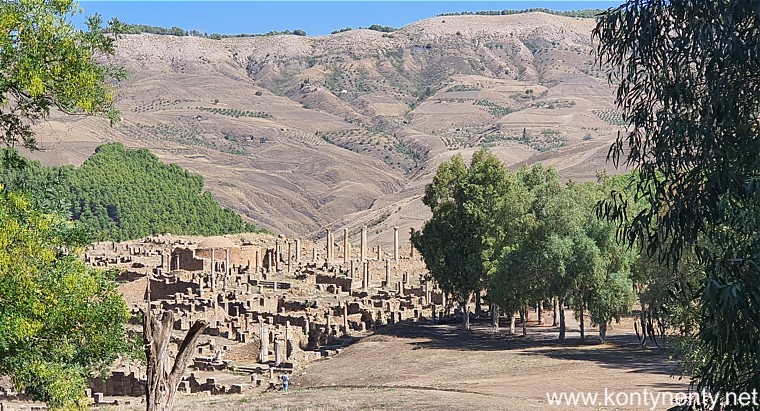
In Arabic, Djemila means "beautiful," and indeed, the ancient city's location in a deep valley is beautiful. Compared to another Roman ruin in Algeria, the city of Timgad, Djemila clearly wins. Although Timgad is also interesting, it doesn't have such captivating scenery:
Po arabsku Dżamila (po angielsku jednak Djemila) znaczy "piękna", bo rzeczywiście, położenie starożytnego miasta w głębokiej dolinie jest piękne. W porównaniu z innymi rzymskimi ruinami w Algerii - miastem Timgad Dżamila wyraźnie wygrywa, choć Timgad także jest ciekawy, nie ma jednak tak malowniczej scenerii:
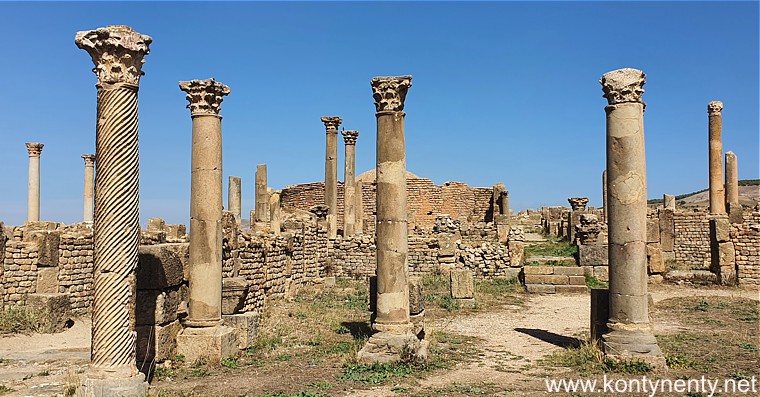
Unfortunately, as is typical in Algeria, there are no maps or signposts within the ruins. I recommend the Czech portal mapy.com, which I discovered. You can find a suitable map there and print it out before your trip. So, I followed the paths among the ruins for orientation, starting from the ruins of the Basilica of Cresconius:
Niestety - jak to w Algierii - w obrębie ruin nie ma żadnych map ani drogowskazów. Polecam wam odkryty przeze mnie czeski portal mapy.com. Gdzie można znaleźć odpowiednią mapę i wydrukować ją sobie przed wyjazdem w podróż. Szedłem zatem ścieżkami wśród ruin na orientację zaczynając od ruin Bazyliki Cresconiusa:
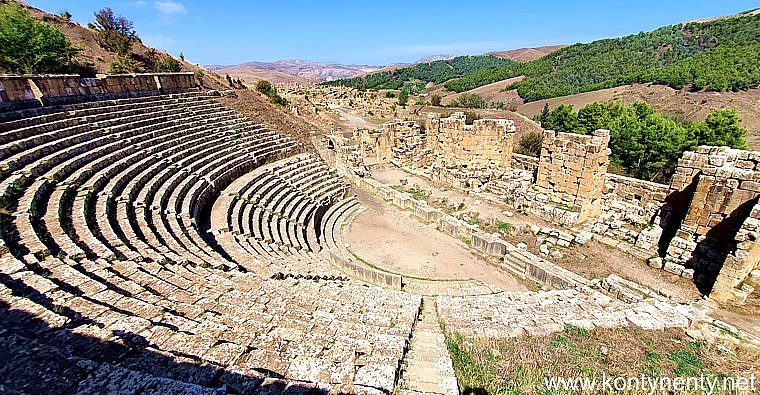
From the basilica, I continued on to the theater, hidden on the edge of the former city. It was quite well preserved! It could seat about 3,000 spectators—or so the theater guard claimed:
Od bazyliki maszerowałem dalej do ukrytego na skraju dawnego miasta teatru. Zachował się całkiem dobrze! Mógł pomieścić około 3000 widzów - tak przynajmniej twierdził pilnujący teatru strażnik:
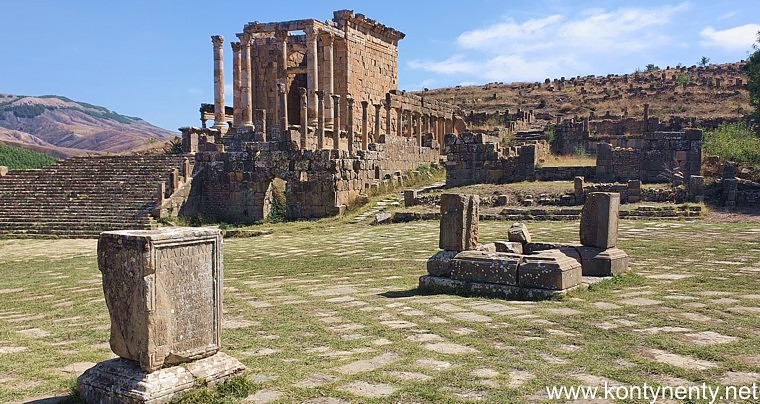
Many wealthy families had villas in ancient Jamila. Some even had their own temples there. The temple of the Severus family (pictured below) is the best preserved.
W starożytnej Dżamili miało swoje wille wiele zamożnych rodzin. Niektóre z nich miały tu nawet własne świątynie. Najlepiej przetrwała do dziś świątynia rodziny Severusa (na zdjęciu poniżej)
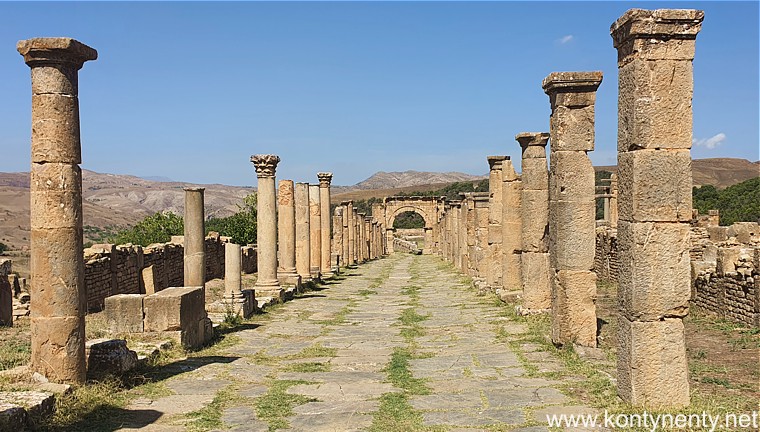
The photo below shows the city's main street, paved with large stone slabs. Walking along this street, we don't realize that beneath these slabs lies a brick canal that once carried drinking water throughout the city. It worked like a giant pipe without any pump. The street led down to the largest public square, the Roman Forum:
Na zdjęciu poniżej pokazuję główną ulicę miasta, wykładaną dużymi, kamiennymi płytami. Idąc tą ulicą nie zdajemy sobie sprawy, że pod tymi płytami ukryty jest cembrowany kanał, którym przez całą długość miasta rozprowadzana była woda. Ulica prowadziła w dół - do największego publicznego placu - Forum Romanum:
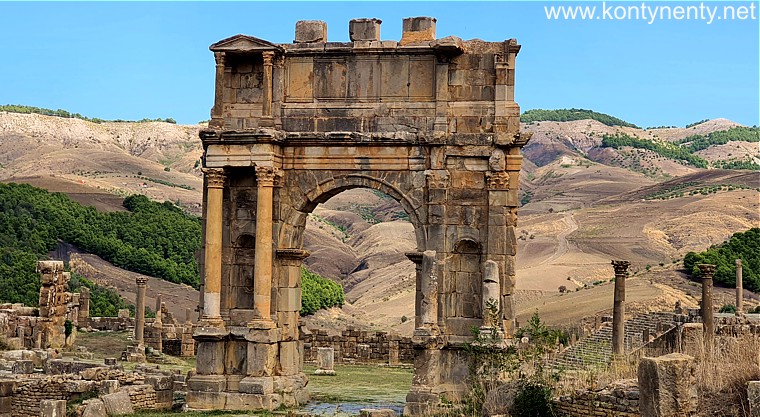
The icon of ancient Jamila is the Arch of Emperor Caracalla. This is where all tourists visiting today's Jamila take their photos. You've probably noticed that my photos are completely devoid of people. This suggests that this extraordinary place lies far from the beaten track. I must admit, I really liked this – in solitude, one experiences such magnificent monuments in a completely different way:
Ikoną starożytnej Dżamili jest łuk Cesarza Karakalli. To tutaj fotografują się wszyscy turyści odwiedzający dzisiejszą Dżamilę. Zwróciliście na pewno uwagę, że na moich zdjęciach zupełnie nie widać ludzi. To mówi o tym, że to niezwykłe miejsce leży daleko od uczęszczanych szlaków. Wyznam, że mnie to bardzo odpowiadało - w samotności zupełnie inaczej odbiera się takie wspaniałe zabytki:
It was a wonderful day! After returning to Setif, I packed my backpack and took a yellow collective taxi to Batna the next day. I had to use this mode of transport because it was a holiday Friday, when public buses were not running. A "collective taxi" ride on the 130-kilometer route costs only 400 dinars, or two dollars. Public transport in Algeria is very cheap. Algeria has its own oil and gas industry, which makes fuel incredibly cheap. You can buy five liters of gasoline for one euro.
To był wspaniały dzień! Po powrocie do Setifu spakowałem plecak i następnego dnia wyruszyłem żółtą zbiorową taksówką do Batny. Musiałem skorzystać z tego środka transportu, bo był świąteczny piątek, gdy publiczne autobusy nie kursują. Przejazd "Taxi collectif" na 130-kilometrowej trasie kosztuje tylko 400 dinarów - dwa dolary... Transport publiczny w Algerii jest bardzo tani. Algieria ma własną ropę i gaz. Dzięki temu paliwo jest tu bajecznie tanie. Za jedno euro można kupić 5 litrów benzyny.
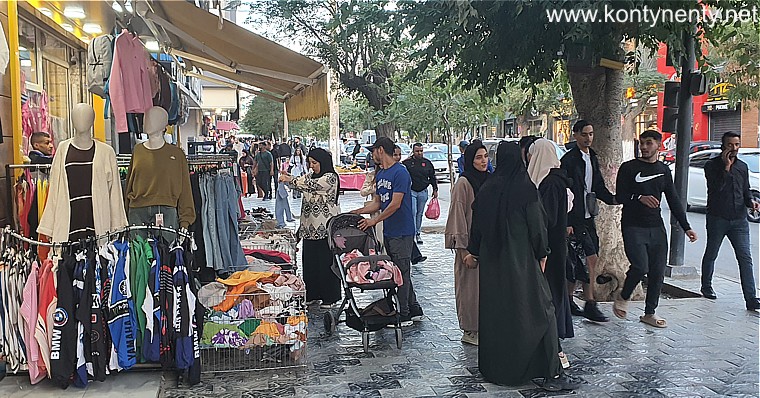
The photo above shows Batna's main street. Clothes are sold on the wide sidewalks. Women dress traditionally, but young men parade around (horror!) even in shorts. :) There are no tourists in sight, and there are no souvenir shops. But I'll tell you, you can buy some pretty interesting souvenirs at the home improvement store, which sells them as household appliances:
Na zdjęciu powyżej pokazuję główną ulicę Batny. Na szerokich chodnikach sprzedaje się tu ciuchy. Panie ubierają się tradycyjnie, ale młodzi panowie paradują (o zgrozo!) nawet w krótkich gaciach :) Turystów nie widać i nie ma sklepów z pamiątkami. Ale podpowiem, że całkiem ciekawe pamiątki można kupić w sklepie z gospodarstwem domowym, gdzie sprzedaje się je jako sprzęty użytkowe:
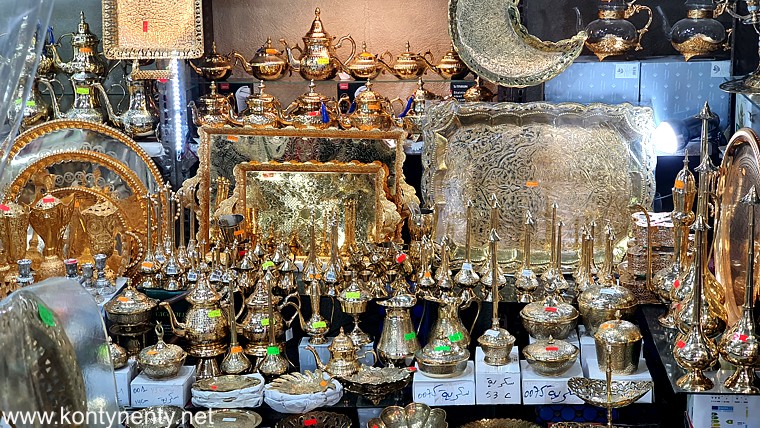
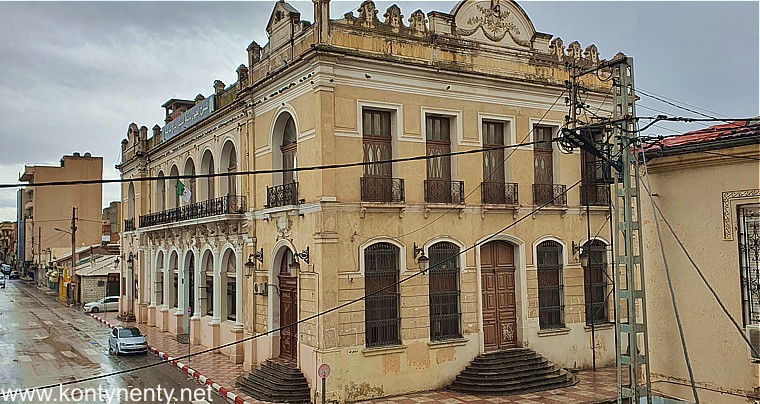
I think the most interesting landmark in Batna is the theater, located on the main square. I'm showing it in the photo below. Quite by chance, I stayed in a pleasant hotel opposite this theater. Hotel El Hayat is not affiliated with the global Hyatt hotel chain, but you can book it through Booking.com. It's an inexpensive, old, mid-range hotel, definitely worth recommending. One of the receptionists, Elias, speaks good English. A buffet breakfast is included in the room rate.
Wydaje mi się, że najciekawszym obiektem Batny jest teatr, stojący przy głównym placu. Pokazuję go na zdjęciu poniżej. Zupełnym przypadkiem mieszkałem w sympatycznym hotelu stojącym naprzeciwko tego teatru. Hotel El Hayat nie ma nic wspólnego ze światowym łańcuchem hotelowym Hyatt, ale można go rezerwować przez Booking.com. To niedrogi, stary hotel średniej klasy na pewno wart polecenia. Jeden z recepcjonistów - Elias - mówi dobrze po angielsku. Bufetowe śniadanie wliczone jest do ceny pokoju.
Batna is the base for trips to the ruins of Algeria's second Roman city, Timgad. I took a city bus for 25 dinars, following the receptionist's instructions, to the correct bus station. Here, I had to wait for the bus to fill up and pay 70 dinars for the ride. It's only half a dollar, but the journey is crowded – the white and celadon Toyotas even have folding seats that open in the aisle. Fortunately, it's only 45 kilometers.
Batna jest bazą dla wycieczek do ruin drugiego rzymskiego miasta Algerii - do Timgadu. Autobusem miejskim za 25 dinarów według wskazówek recepcjonisty dojechałem do właściwej stacji busów. Tu trzeba było poczekać, aż pojazd się wypełni i zapłacić 70 dinarów za przejazd. To tylko pół dolara, ale podróżuje się tu w tłoku - biało-seledynowe toyoty mają nawet składane siedzenia dodatkowo otwierane w przejściu. Na szczęście to tylko 45 kilometrów.
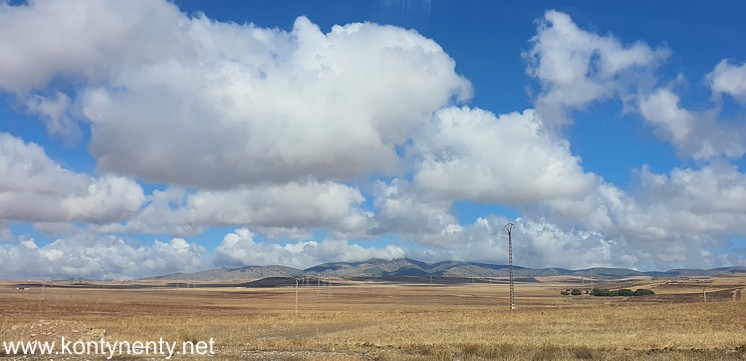
It was a beautiful day. We sped through the plains and gentle hills of North Africa. We passed through the small Arab town of Timgad, where the first hotels had already sprung up. The driver dropped me off outside the town—100 meters from the gate to the Archaeological Park. There, you had to pay 130 dinars for admission. Just beyond, there was a museum, similar to the one in Jamila, where they charge another 130 dinars. Inside, there were mosaics and sculptures from the excavations... Behind the museum, I entered the Cardo - the main street of ancient Timgad:
Dzień był piękny. Pędziliśmy wśród równin i łagodnych wzgórz Północnej Afryki. Przejechaliśmy przez niewielkie arabskie miasteczko Timgad, w którym wyrosły już pierwsze hotele. Kierowca wysadził mnie za miasteczkiem - 100 metrów od bramy Parku Archeologicznego. Tu trzeba było zapłacić 130 dinarów za wstęp. Zaraz dalej było muzeum, podobne do tego w Dżamili, gdzie pobierają kolejne 130 dinarów. nie ma zniżek. Wewnątrz znajdziecie mozaiki i rzeźby z wykopalisk... Za muzeum wchodzę na Cardo - główną ulicę starożytnego Timgadu:
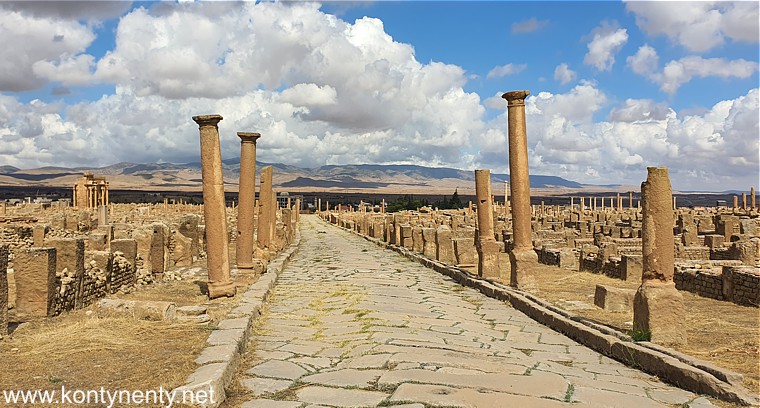
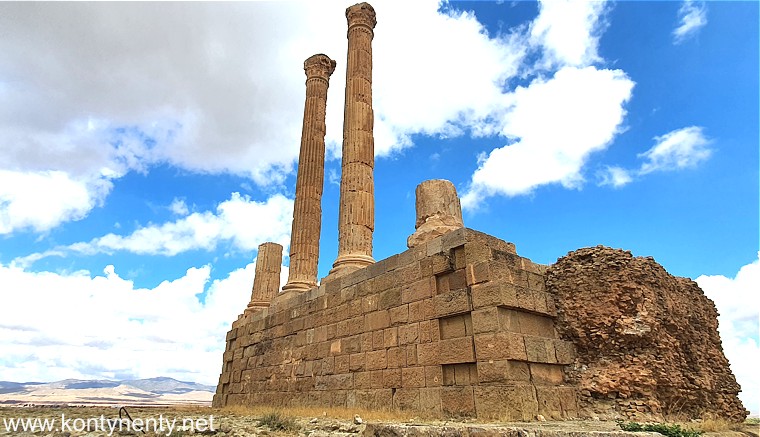
Like every Roman city, Timgad also had a capitol hill, and at its summit, a temple surrounded by 14-meter-high, fluted columns. Only two columns remain intact (photo below). Sections of the remaining columns lie scattered on the ground. Perhaps they will be reconstructed in the future? Standing among them, a thought arose: how much work the ancient builders must have put into crafting the temple's elements, using primitive tools and without modern machinery!
Jak w każdym rzymskim mieście także i w Timgadzie było wzgórze kapitolu, a na jego szczycie - świątynia poświęcona Jowiszowi, Junonie i Minerwie, otoczona 14-metrowymi, żłobionymi kolumnami. Do naszych czasów przetrwały w całości tylko 2 kolumny (zdjęcie poniżej). Odcinki pozostałych kolumn leżą rozrzucone na ziemi. Może doczekają się rekonstrukcji? Gdy stałem wśród nich obudziła się refleksja: ileż pracy musieli włożyć starożytni budowniczowie by przy pomocy prymitywnych narzędzi i bez nowoczesnych maszyn wykonać elementy świątyni i następnie ją złożyć!
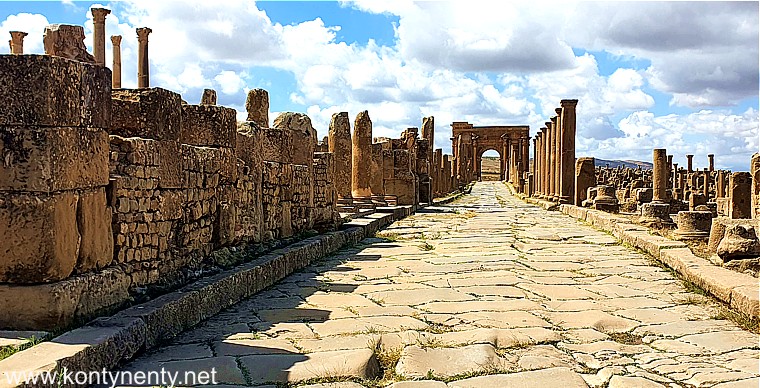
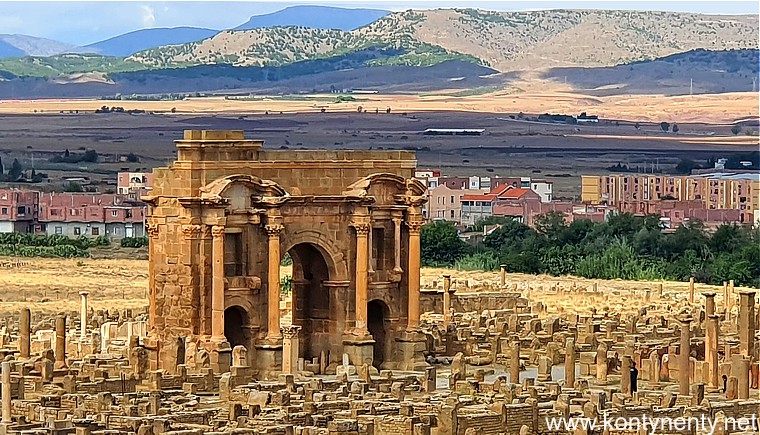
Timgad was founded by Emperor Trajan around 100 AD. The city's founder was honored by the construction of the beautiful Arch of Trajan on the main street. It can be seen in the photo below. The town became famous for its production of wheat, olive oil, and textiles. At its peak, Timgad was home to 15,000 Romans.
Timgad został założony przez cesarza Trajana około setnego roku naszej ery. Założyciela miasta uhonorowano budując w głównej ulicy piękny Łuk Trajana. Widać go na zdjęciu poniżej. Miastko zasłynęło z produkcji pszenicy, oliwy z oliwek i tekstyliów. W szczycie rozwoju mieszkało w Timgadzie 15 tysięcy Rzymian.
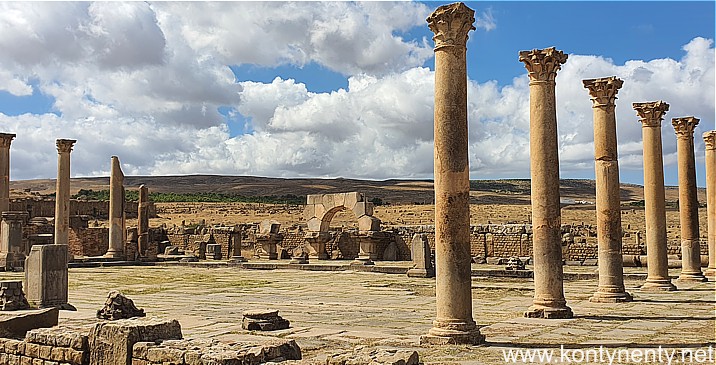
Initially, Timgad was a military camp of the III Augusta Legion. Soldiers and retired veterans lived here as well. The city plan features a vast forum, framed by rows of well-preserved columns:
Początkowo Timgad był obozem wojskowym Legionu III Augusta. Mieszkali tu żołnierze, ale także weterani, którzy już odeszli ze służby. Na planie miasta wyróżnia się rozległe forum, obramowane rzędami dobrze zachowanych do dziś kolumn:
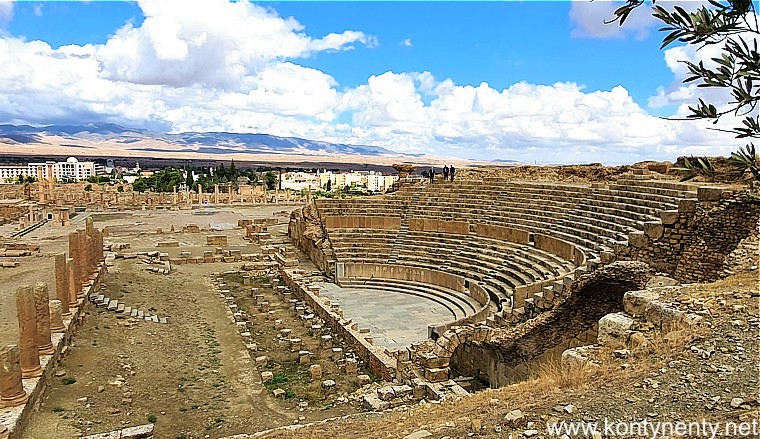
The city had a large library, as well as a theater that could seat 4,000 people (photo below). From the upper rows of this theater, a beautiful view of the entire ancient ruins opens up:
W mieście była duża biblioteka, a także teatr mogący pomieścić 4000 widzów (zdjęcie poniżej). Z górnych rzędów tego teatru otwiera się piękny widok na całość starożytnych ruin:
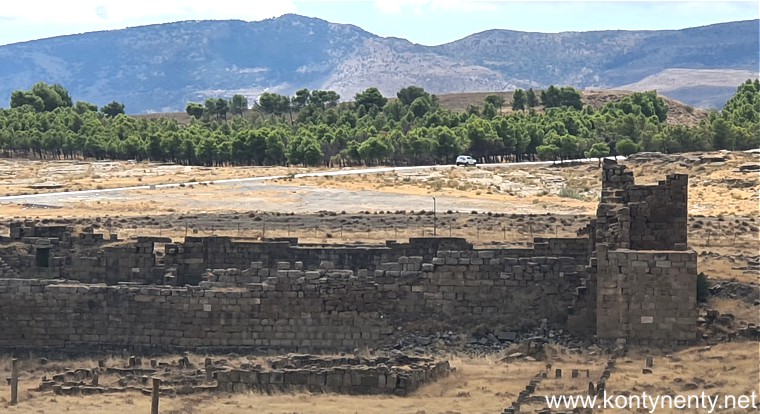
Just outside the Roman city, the Byzantines, who took over the city after the fall of Rome built a defensive citadel. Its ruins can be seen in the photo below. I've noticed that few visitors to Timgad visit this site:
Tuż poza rzymskim miastem Bizantyjczycy, którzy zawładnęli miastem po upadku Rzymu zbudowali obronną cytadelę. Jej ruiny widać na zdjęciu poniżej. Odnotowałem, że mało kto z przyjeżdżających do Timgadu odwiedza to miejsce:
Today, Timgad appears to the traveler as a sea of ruins, with a few former public buildings peeking out from it. Unfortunately, the ancient city has been overgrown with modern architecture over the centuries. This can be seen in the photo below. Jamila doesn't have such a dull backdrop, and that's why I liked it more.
Dziś Timgad jawi się podróżnikowi jako morze ruin, z którego wygląda kilka dawnych publicznych budowli, które przetrwały wieki lub zostały zrekonstruowane. Niestety to starożytne miasto obrosło przez wieki współczesną architekturą. Widać to na zdjęciu poniżej. Dżamila nie ma takiego nieciekawego tła i dlatego bardziej mi się podobała.
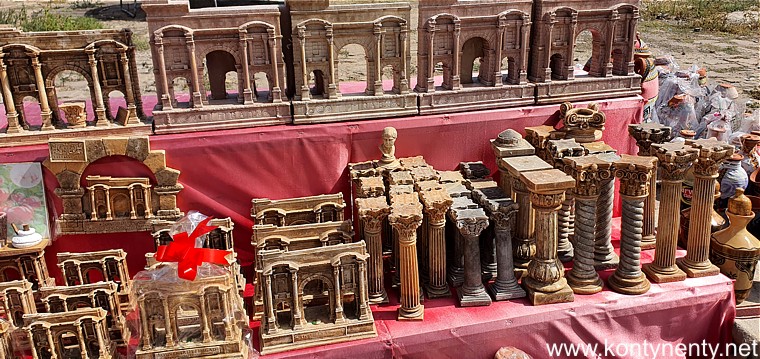
As I left the excavation site in the afternoon, I saw more tourists – mostly Algerians – at the entrance to the Archaeological Park, there were several souvenir stalls. Miniature casts of Trajan's Arch and individual columns dominated the scene. I didn't buy anything – the photos were enough for me; I don't have anywhere at home to keep souvenirs from over two hundred countries I've visited.
Gdy po południu wychodziłem z obszaru wykopalisk widziałem już więcej turystów - przeważnie Algierczyków przed wejściem do Parku Archeologicznego stało kilka kramów z pamiątkami. Dominują wśród nich miniaturowe odlewy Łuku Trajana i pojedynczych kolumn. Nie kupiłem nic - wystarczą mi zdjęcia, w domu nie mam gdzie trzymać pamiątek z ponad dwustu odwiedzonych krajów :)
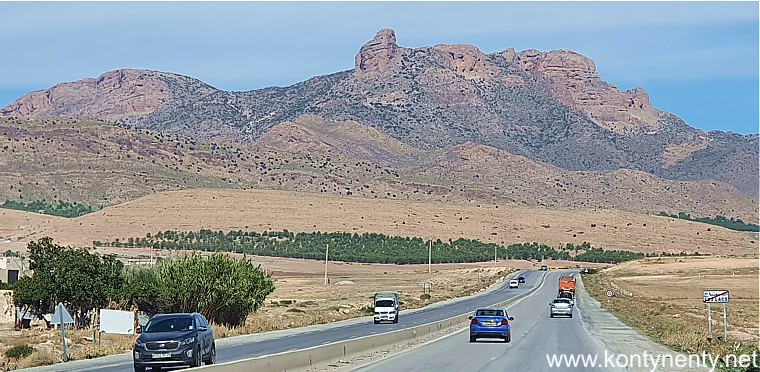
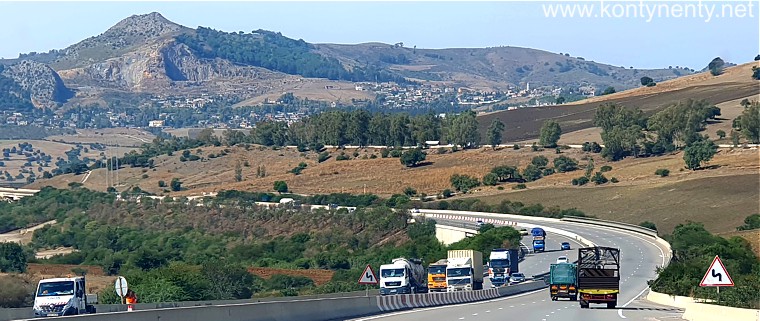
I returned to my pleasant hotel, El Hayat, in Batna along the same route, and the next day, taking buses, with a transfer in Constantine, I traveled to Skikda on the Mediterranean coast. The roads were good, with the main roads having separate lanes. And along the way, there were some truly beautiful landscapes:
Do mojego sympatycznego hotelu El Hayat w Batnie wróciłem tą samą drogą i następnego dnia autobusami, z przesiadką w Konstantynie pojechałem do Skikdy na wybrzeżu Morza Śródziemnego. Drogi były dobre, te główne mają nawet rozdzielone pasma ruchu. A po drodze zdarzały się naprawdę piękne krajobrazy:
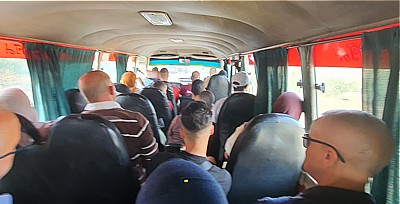
Przejazd w typowym algierskim minibusie jest bardzo tani (bilet sprzedawany przez kierowcę kosztuje zaledwie równowartość 1-2 euro) ale pojazd wyrusza w trasę dopiero wtedy, gdy ma komplet pasażerów, czyli zajęte wszystkie miejsca, łącznie z tymi rozkładanymi siedzeniami w przejściu. Gdy przyszło mi czasem siedzieć z tyłu to widoczność była bardzo ograniczona, i czułem, jak pojazd w każdej wiosce podskakuje na licznych garbach szosy.
A ride on a typical Algerian minibus is very cheap (a ticket sold by the driver costs the equivalent of 1-2 euros), but the vehicle only departs when it's fully loaded, meaning every seat is occupied, including the fold-out seats in the aisle. When I sat in the back, visibility was very limited, and I could feel the vehicle jolting over the numerous bumps in the road in every village.
Who's heard of the Mediterranean city of Skikda? I discovered it on a satellite map of the Algerian coast while planning my travel itinerary. It was worth it! A wide, clean avenue lined with tall palm trees leads from the bus station towards the port:
Kto słyszał o mieście Skikda nad Morzem Śródziemnym? Ja odkryłem je na satelitarnej mapie wybrzeża Algierii przygotowując trasę podróży. Warto było! Od stacji autobusów w kierunku portu prowadzi tu szeroka, czysta aleja, wysadzana wysokimi palmami:
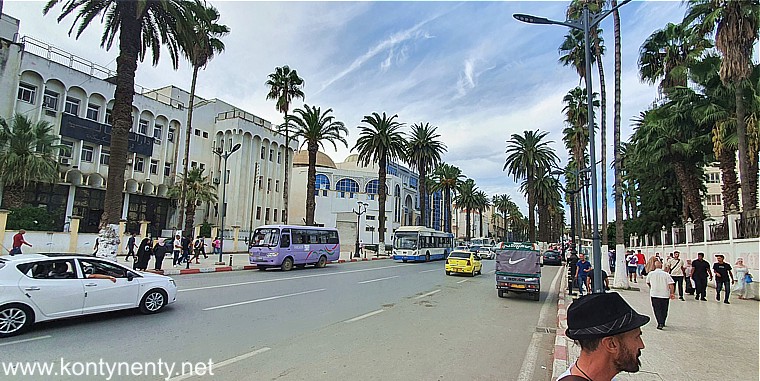
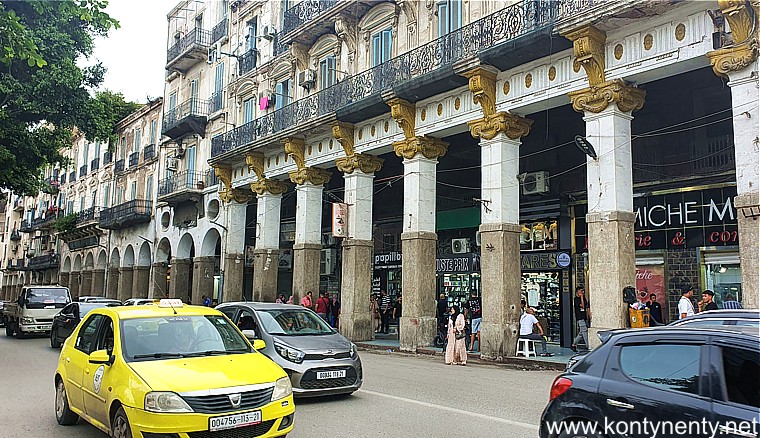
The avenue becomes the main street of the former colonial district of Skikda. This street, called Rue Didouche Mourad, is almost a kilometer long and has high arcades on both sides along its entire length, mostly filled with shops. I've never seen such a long shopping arcade anywhere! Above the arcade, colonial iron balconies hang on the walls of the buildings, emphasizing the Mediterranean character of this part of the city.
Aleja przechodzi w główną ulicę dawnej kolonialnej Skikdy. Ta ulica nazywa się Rue Didouche Mourad, ma prawie kilometr i na całej długości po obu stronach wysokie podcienia, wypełnione głównie sklepami. Takiej długiej galerii sklepowej nigdzie jeszcze nie widziałem!. Ponad galerią na ścianach kamienic wiszą kolonialne, żelazne balkoniki podkreślając śródziemnomorski charakter tej części miasta:
West of this important artery, cross streets climb the hillside, forming a grid of streets along with terraced streets in the colorful bazaar district. In the third, parallel to Mourad, with the help of a local student, I found cheap accommodation at the Dortoir El Madina. A room with three beds and a bathroom in the hallway cost 2,000 dinars a night. If you're a budget traveler, it's worth remembering the word "dortoir"— everywhere in Algeria, it means a cheap hostel and clearly describes what you're looking for! Staff here knows little English...
Na zachód od tej ważnej arterii poprzeczne uliczki wspinają się na zbocze wzgórza tworząc razem z biegnącymi tarasowato przecznicami siatkę ulic barwnej dzielnicy bazarowej. w trzeciej równoległej do Mourad z pomocą miejscowego chłopaka znalazłem tani nocleg w Dortoir El Madina. Pokój z trzema łóżkami i łazienką na korytarzu kosztował 2000 dinarów za noc. jeśli jesteś podróżującym za grosze trampem warto zapamiętać słowo "dortoir" - wszędzie w Algerii oznacza ono tanią noclegownię i jednoznacznie precyzuje czego szukasz!
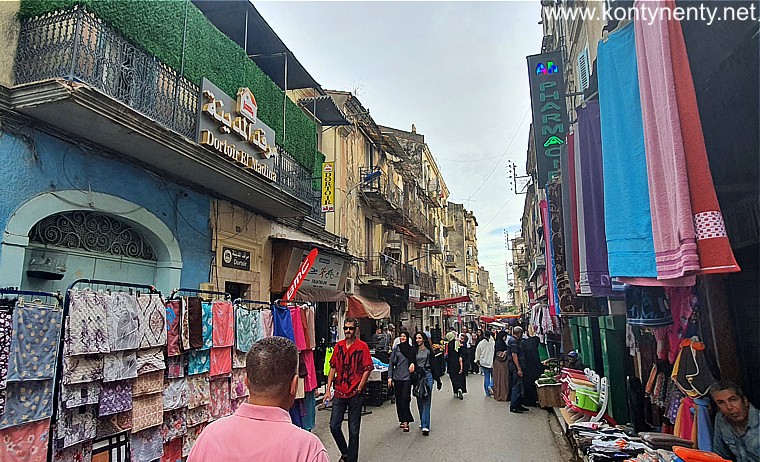
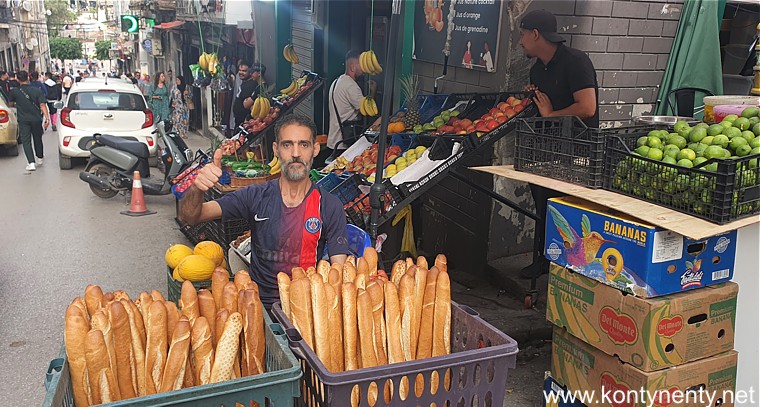
The photo above shows my street. The shelter is recognizable from afar by its green balcony. During the day, the street noise drifted in through the window, but after dark, the stalls disappeared and the street became completely deserted. Around the corner were fruit and vegetable stalls (a kilo of tomatoes cost 100 dinars), and a skinny guy was selling fresh baguettes for 25 dinars. Algerians eat far more of them than flat Arabic bread. At the bakery around the corner, they were hot and 5 dinars cheaper:
Na zdjęciu powyżej pokazuję moją ulicę. Noclegownię można z daleka rozpoznać po tym zielonym balkoniku. W dzień uliczny gwar dochodził przez okno, ale po zmroku kramy znikały i ulica całkiem się wyludniała. Za rogiem stały kramy z owocami i warzywami (kilo pomidorów 100 dinarów), a chudy facet sprzedawał po 25 dinarów świeże bagietki. Algierczycy zjadają ich znacznie więcej niż płaskiego arabskiego chleba. W piekarni za rogiem były gorące i o 5 dinarów tańsze:
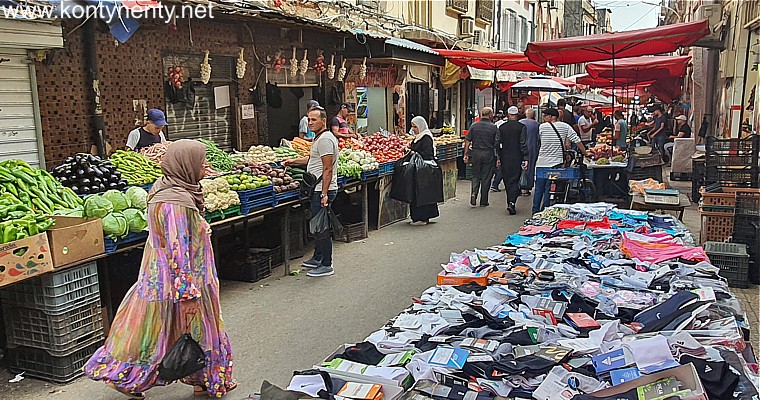
Living in a neighborhood like this suited me perfectly. If there was any urban folklore to be found, it was here. It also held the only relic of antiquity: a small Roman theater tucked away in the dense development behind the school. However, it lacked perspective and wasn't worth the search up the steep slope. However, I did enjoy the colonial theater on the main street.
Zamieszkiwanie w takiej dzielnicy bardzo mi odpowiadało. Jeśli można było zobaczyć jakiś miejski folklor, to właśnie tutaj. Tutaj był także jedyny zabytek ze starożytności: mały rzymski teatr chowany w gęstej zabudowie za szkołą. Brakuje mu jednak perspektywy i nie jest wart poszukiwań na stromym zboczu. Za to kolonialny teatr przy głównej ulicy bardzo mi się podobał.
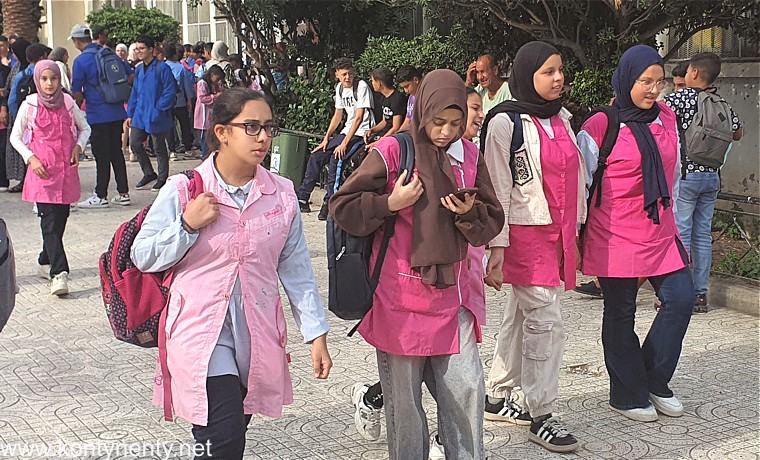
There are also high schools on the main street, and you can see young people in uniforms: boys wear blue ones, girls wear pink ones, and also hijabs—Arabic headscarves. For now, there are few brave souls who go without this head covering:
Przy głównej ulicy są także średnie szkoły i można zobaczyć młodzież w mundurkach: chłopcy chodzą w błękitnych a dziewczęta ubierają różowe i do tego hidżaby - arabskie chusty na głowę. Odważnych, które chodzą bez tego nakrycia głowy jest na razie niewiele:
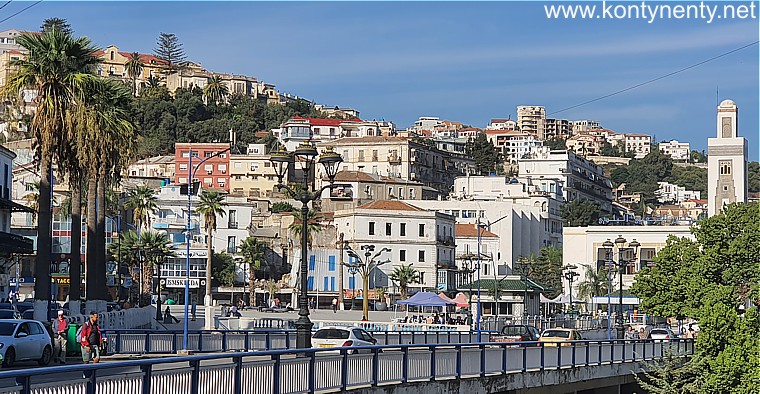
The main street, Mourad, ends at the port and train station – the vast 1st November Square. As is typical in the Mediterranean, people sit on park benches under palm trees, and there are cafes and pizzerias. It's a Skikda shop window:
Główna ulica Mourad kończy się przy porcie i stacji kolejowej - na rozległym Placu 1 Listopada. Jak to nad Morzem Śródziemnym bywa ludzie przesiadują tu pod palmami na parkowych ławkach, funkcjonują kawiarnie i pizzerie. Można powiedzieć, że to okno wystawowe Skikdy:
Then I visited the French-built railway station, hoping to catch cheap train from Skikda onward. The Algerian Railways website had a specific departure time listed. Don't be fooled – the empty station was occupied only by a rusty freight train. Passenger trains to Constantine have long since ceased operation. However, city buses run from the terminus in front of the station to Stora, a nearby coastal village with a small fishing port:
Zaszedłem na zbudowaną przez Francuzów stację kolejową, mając nadzieję, że ze Skikdy będę mógł pojechać dalej pociągiem. Na stronie internetowej Kolei Algierskich była podana konkretna godzina odjazdu. Nie dajcie się nabrać - na pustej stacyjce stoi tylko zardzewiały pociąg towarowy. Osobowe do Konstantyny od dawna nie kursują. Ale z pętli przed stacją kursują miejskie autobusy do Story - pobliskiej wioski na wybrzeżu, gdzie funkcjonuje mały rybacki port:
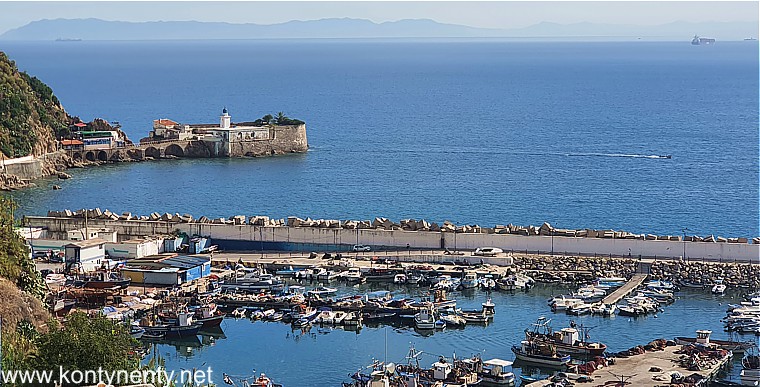
The coastal road leading to Stora passes small town beaches – you can swim there, but there are no tourists in sight. Stora itself, however, is beautifully situated at the foot of green mountains. A small fort with a lighthouse can be seen on the cape – you can see it in the photo above. But I wanted to reach the remote, beautiful beaches in the bays through the mountains. Only one road led to them, zigzagging up a mountain pass. You can see it on the right side of the photo:
Nadbrzeżna ulica prowadząca do Story wiedzie obok niewielkich miejskich plaż - tu można przyjść się wykąpać, ale turystów wcale nie widać. Natomiast sama Stora jest ładnie położona u stóp zielonych gór. Na przylądku widać niewielki fort z latarnią morską - widać go na zdjęciu powyżej. Ale ja chciałem dotrzeć przez góry do oddalonych i pięknych plaż w morskich zatokach. Prowadziła do nich jedna tylko droga, wspinająca się zygzakami na przełęcz. Widać ją po prawej stronie zdjęcia:
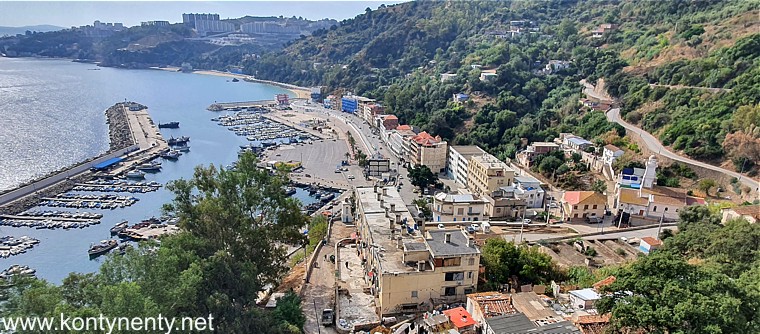
The climb up the pass in the heat took considerable effort. My reward was the increasingly expansive views from the road toward Story and Skikda. At the pass, I found several stalls selling drinks and pastries. Refreshed, I continued on. After almost 2 kilometers, the new view opened up down to a rocky coastline and small beaches hidden in coves. The one at the bottom of the photo is Plage la Carrière 2. Hidden behind the rocks were three or four more similar beaches, connected by road, tempting with their azure and turquoise waters:
Wejście szosą na przełęcz w panującym upale kosztowało mnie sporo wysiłku. Nagrodą były coraz szersze widoki z szosy w kierunku Story i Skikdy. Na przełęczy zastałem kilka straganów z napojami i ciastkami. Pokrzepiony pomaszerowałem dalej. Po przejściu prawie 2 kilometrów otworzył się zupełnie nowy widok w dół - na skaliste wybrzeże i ukryte w zatoczkach małe plaże. ta na dole zdjęcia to Plage la Carrière 2. Za skałami ukryte były jeszcze trzy czy cztery inne, połączone kiepską drogą podobne plaże, kuszące lazurem i turkusem wody:
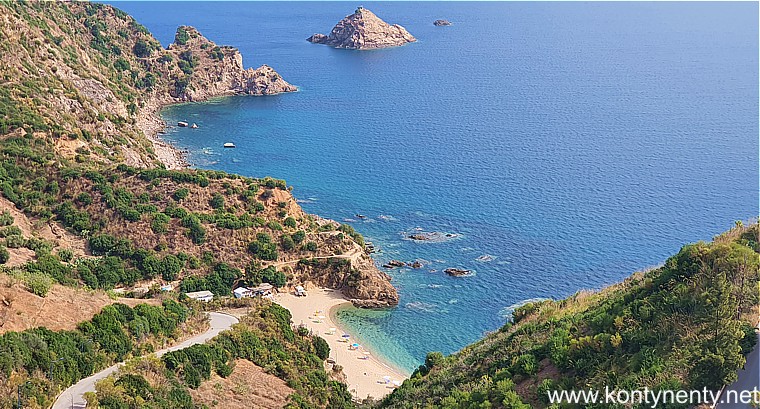
I was hungry for more stunning views of the Algerian coast, but time was short, so I didn't go down to the beach, but continued along the main road, which looped through the coastal mountains in numerous loops. There were no buildings along the way, and no more than one car per fifteen minutes. Only after two hours of hiking did I finally admire the next sight. It was the Grande Plage – the Great Beach at Ain Zouit:
Miałem apetyt na kolejne wspaniałe widoki algierskiego wybrzeża a czasu niewiele, więc nie schodziłem w dół na plażę tylko ruszyłem dalej główną szosą, która w licznych pętlach biegła przez nadmorskie góry. Żadnych zabudowań po drodze i nie więcej niż jeden samochód na kwadrans. Dopiero po dwóch godzinach wędrówki mogłem zachwycić się kolejnym widokiem. To była Grande Plage - Wielka Plaża w Ain Zouit:
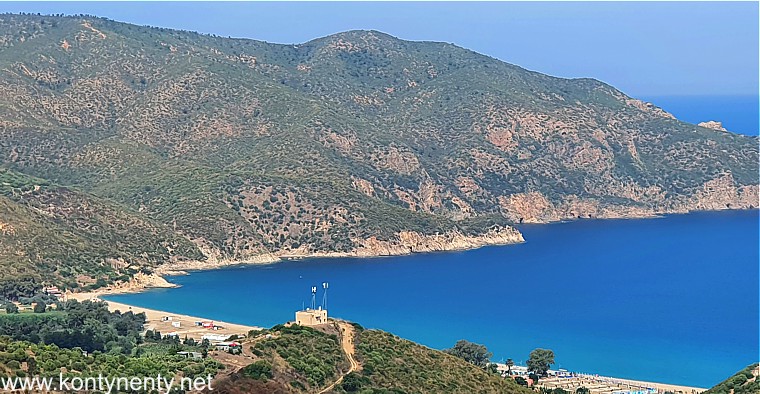
The beach in the large bay was indeed vast—over a kilometer long. I nervously glanced at my watch. Should I descend to the water's edge, or cautiously turn back to Skikda (I'd come down a dead-end road that ended at the beach)? Common sense prevailed—after feasting my eyes on the magnificent landscape unfolding from the hill, I began my return walk. I was lucky—soon a car carrying a local family stopped on the road and driver suggested that we can share a ride into town.
Plaża w dużej zatoce była rzeczywiście wielka - miała ponad kilometr długości. Nerwowo spoglądałem na zegarek. Schodzić na dół, nad wodę czy przezornie zawrócić do Skikdy (przyszedłem ślepą drogą kończącą się na plaży)? Zwyciężył rozsądek - nasyciwszy oczy wspaniałym krajobrazem otwierającym się ze wzgórza rozpocząłem powrotny marsz. Miałem szczęście - wkrótce na drodze zatrzymał się osobowy samochód wiozący miejscowa rodzinę i zaproponowano mi wspólną jazdę do miasta.
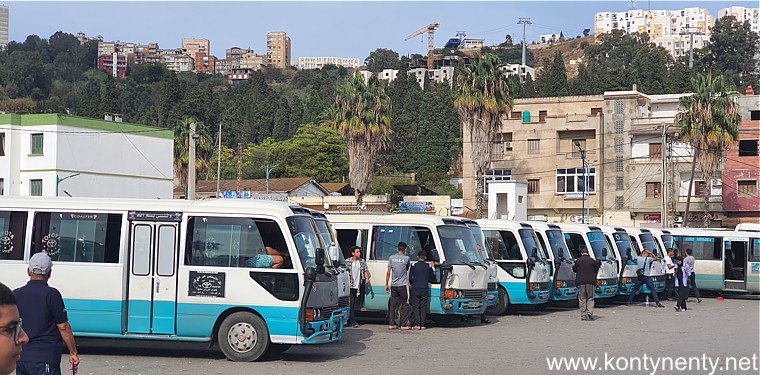
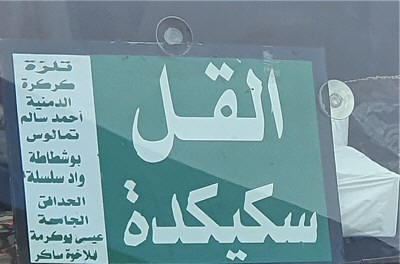
Następnego dnia rano pożegnałem mój hostel w Skikdzie i jego sympatyczną załogę i pomaszerowałem z plecakiem na stację autobusów. Tu czekały ustawione rzędem minibusy odjeżdżające w różnych kierunkach. Pod szybą pojazdy miały wystawione tablice z nazwami miejscowości. Niestety - napisane tylko po Arabsku. W takiej sytuacji trzeba grzecznie poprosić kogoś z miejscowych o pomoc. Nigdy mi jej nie odmówiono - często byłem doprowadzany do właściwego pojazdu i informowany (na piśmie) o wysokości opłaty z przejazd.
The next morning, I said goodbye to my hostel and its friendly staff and walked with my backpack to the bus station. There, waiting for me, were minibuses lined up, departing in various directions. The vehicles had signs with the names of their towns displayed on their windshields. Unfortunately, they were written only in Arabic. In such situations, you have to politely ask a local for help. I was never refused—I was often guided to the correct vehicle and informed (in writing) of the fare.
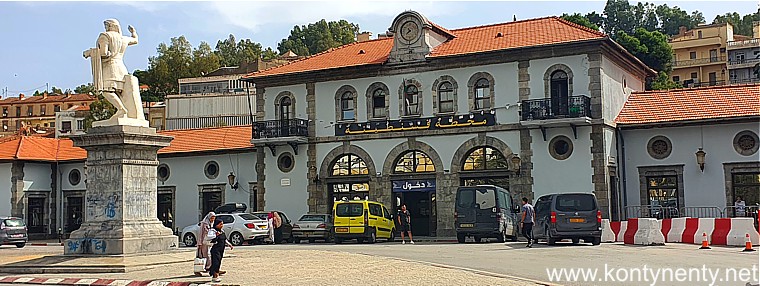
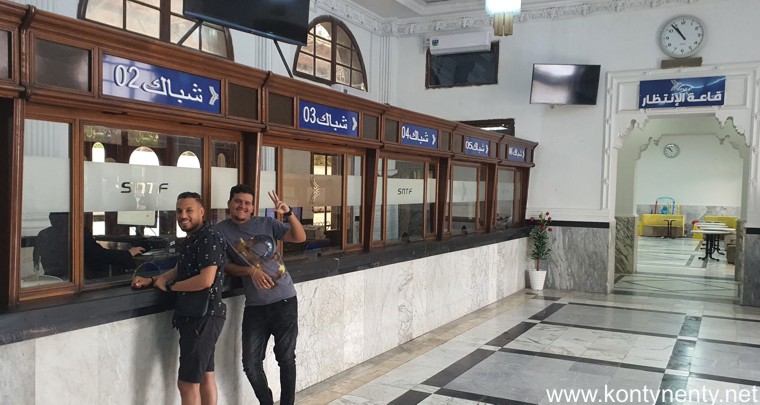
In Constantine, the driver dropped me off at the train station, which is closer to the old town than the bus station. I decided to take advantage of the opportunity and get the necessary information at the station. I wanted to travel the next section of the route by train to avoid the crowds in the minibus and the spine-wracking bumps on the road:
W Konstantynie kierowca wysadził mnie przy stacji kolejowej, która położona jest bliżej starego miasta niż stacja autobusowa. Postanowiłem wykorzystać sytuację i uzyskać na stacji potrzebne informacje. Chciałem kolejny fragment trasy przebyć pociągiem, aby oszczędzić sobie tłoku w mikrobusie i dokuczliwego dla kręgosłupa podskakiwania na garbach szosy:
When I took this photo in the empty station hall, a guard ran up and yelled at me—"Photography is not allowed in the station!" I placated him by apologizing and assuring him that I was a foreigner and didn't know their strict regulations. One window was open, and the woman in the headscarf was very nice. When I asked about the train to Jijel, she assured me that it departs daily at 4:00 PM, and tickets can only be purchased before departure. She wrote this down for me on a piece of paper.
Gdy w pustym hallu stacji zrobiłem to zdjęcie przybiegł strażnik i zrobił mi awanturę -"Na stacji nie wolno fotografować!" Udobruchałem go przepraszając i zapewniając, że jestem cudzoziemcem i nie znałem ich surowych przepisów. Jedno okienko było otwarte, a pani w chuście bardzo miła. Zapytana o pociąg do Jijel zapewniła, że odjeżdża codziennie o 16.00, ale bilet można kupić dopiero przed odjazdem. Zapisała mi to na kartce. Ucieszyłem się, nie przewidując, że projekt i tak zakończy się fiaskiem...
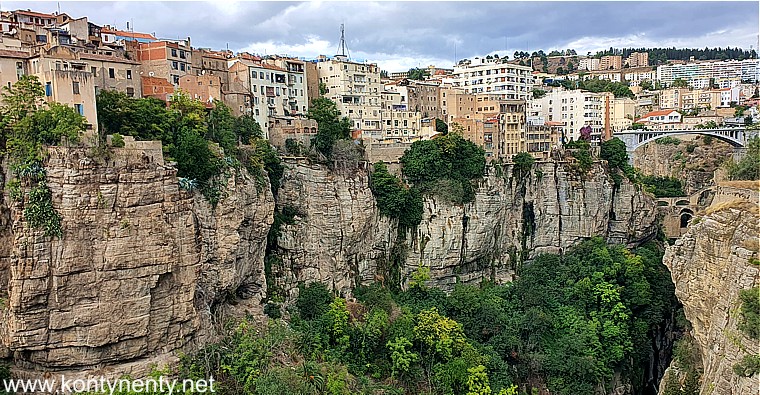
From the railway station I hiked with my backpack to the old town, which has been designated a UNESCO World Heritage Site. Constantine has an incredibly attractive setting on both sides of a gorge approximately 100 meters deep. Bridges connect the sides of the gorge. I had to cross one of them to get to my hostel:
Pomaszerowałem z plecakiem na stare miasto, które umieszczone zostało przez UNESCO na liście Światowego Dziedzictwa. Konstantyna ma niezwykle atrakcyjne położenie po obu stronach głębokiego na około 100 metrów wąwozu. Brzegi wąwozu łączą mosty. Przez jeden z nich musiałem przejść, aby znaleźć się w moim hostelu:
The charming "Dortoir25" hostel is located at number 12 on the main pedestrian street in the Old Town. The problem is that this street changes its name halfway through, and there are two "12" numbers on it. I wish you luck in your search; the sign is the telltale sign.
Sympatyczny hostel "Dortoir25" mieści się pod numerem 12 na głównym deptaku tutejszej Starówki. Problem w tym, że ta ulica w połowie zmienia nazwę i są na niej dwa numeru "12". Życzę wam powodzenia w poszukiwaniach, znakiem rozpoznawczym jest szyld.
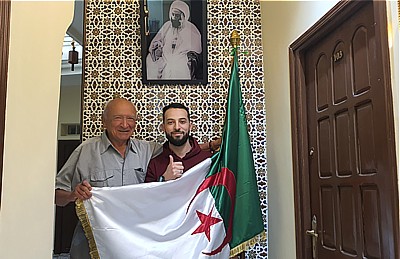
Dortoir25 to nie hostel, ale raczej nowy i czysty pensjonat serwujący gościom wliczone śniadanie. Wśród personelu są dwie osoby dobrze mówiące po angielsku: Mohammed (na zdjęciu obok) i Shima. Pokoje można rezerwować przez booking.com. Za luksusowy twin z łazienką płaciłem 4700 dinarów. To sporo jak dla trampa, ale wifi i centralne położenie także się liczyło.
Dortoir25 isn't a hostel, but rather a new and clean guesthouse that serves guests with complimentary breakfast. The staff includes two fluent English speakers: Mohammed (pictured) and Shima. Rooms can be booked through booking.com. I paid 4,700 dinars for a deluxe twin room with a private bathroom. That's a lot for the backpacker, but free wifi and the central location was also important.
Couchsurfing exists in Algeria, but it's underwhelming. Despite lengthy and extensive correspondence, no member offered me accommodation. But in Constantine, I found Talal, who was willing to show me around the city. He arrived at the meeting dressed in traditional Arab garb. Few men are seen in such garb on the streets here:
W Algierii działa couchsurfing, ale działa mizernie. Mimo długiej i obszernej korespondencji nikt z członków nie zaoferował mi noclegu. Ale w Konstantynie znalazłem Talala, który gotów był oprowadzić mnie po mieście. Na spotkanie przyszedł w tradycyjnej arabskiej szacie. Niewielu mężczyzn w takim stroju widzi się tu na ulicach:
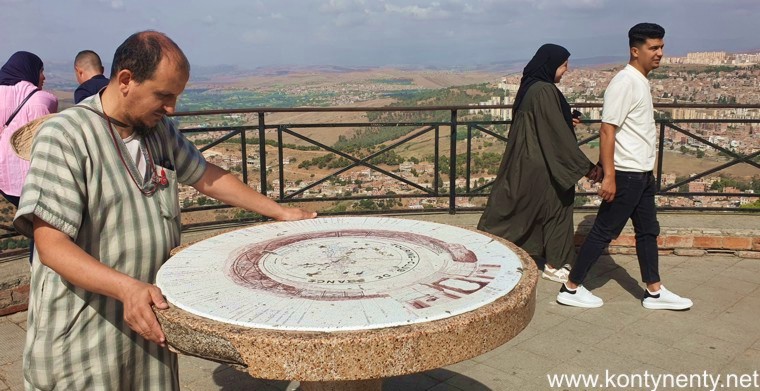
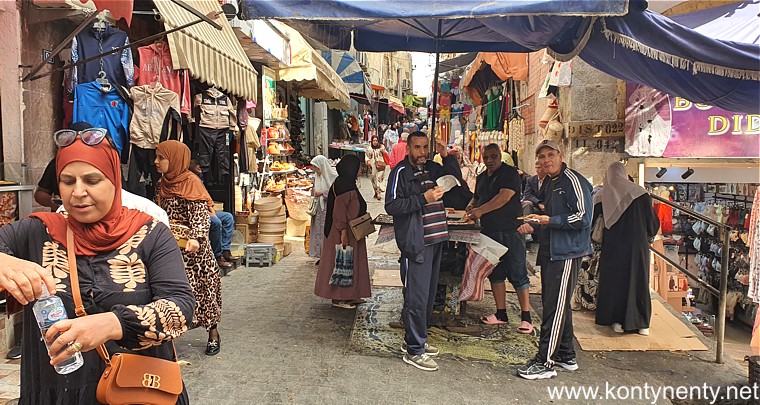
We headed through the stall-filled streets of the old town toward the canyon. Passersby and merchants questioned my guide in Arabic about who I was and where I'd come from. Perhaps this is because tourists from outside the Arab world are so rare here:
Przez wypełnione kramami uliczki starego miasta ruszyliśmy w kierunku kanionu. Przechodnie i kupcy rozpytywali po arabsku mojego przewodnika kim jestem i skąd przyjechałem. Może dlatego, że turystów spoza świata arabskiego widuje się tu niezwykle rzadko:
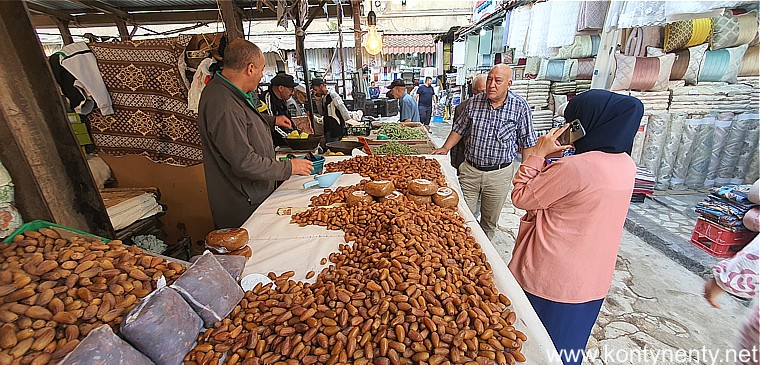
The old commercial district is a maze of narrow streets, while the Constantinople Bazaar is vast and zoned. On one side of the street, pillows, curtains, and bedding linens line the streets, while on the other, dates from the Sahara—you can choose from soft and hard, sweet and bitter:
Stara dzielnica handlowa to cały labirynt wąskich uliczek, Bazar w Konstantynie jest rozległy i obowiązuje w nim rejonizacja. Tu po jednej stronie uliczki poduszki, firany i pościel, a po drugiej daktyle z Sahary - do wyboru: miękkie i twarde, słodkie i gorzkawe:
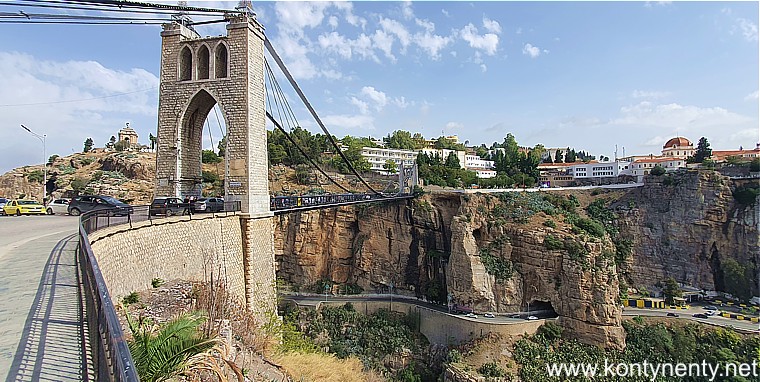
There are seven bridges spanning the Constantine Canyon. The highest is the Sidi M'Cid Bridge. On the other side, the Monument to the Fallen can be seen on the rocks to the left, and on the right, a hospital, architecturally resembling a palace. We crossed this bridge, enjoying the views:
Ponad kanionem Konstantyny przerzuconych jest 7 mostów. Najwyższy z nich to Sidi M'Cid bridge. Po jego drugiej stronie widać na skałach: po lewej Pomnik Poległych, a po prawej - szpital, architektonicznie przypominający raczej pałac. Przeszliśmy przez ten most. ciesząc oczy widokami:
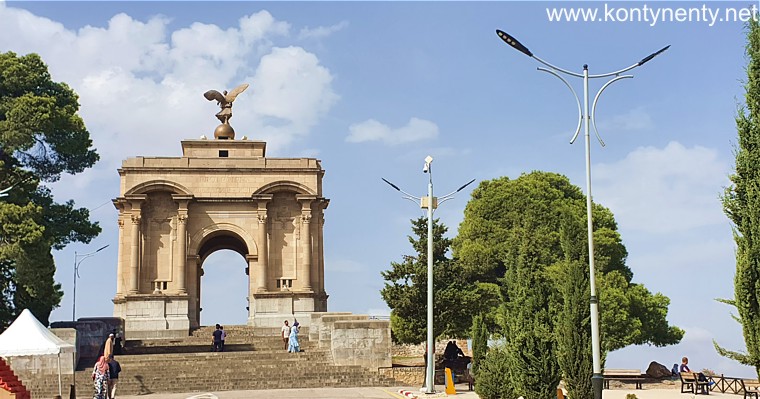
The Monument to the Fallen was built here by the French to honor those Constantine residents who fell during World War I. Inside this arch, French and Arab names are inscribed on the plaques. From the terrace on the other side of the arch of the monument, (700 m above sea level) a view opens out onto the agricultural valley above the canyon:
Pomnik Poległych zbudowali tu Francuzi dla uczczenie tych mieszkańców Konstantyny, którzy polegli podczas pierwszej wojny światowej. Wewnątrz tego łuku na tablicach utrwalono nazwiska francuskie i arabskie. Z tarasu przed pomnikiem (700 metrów ponad poziomem morza) otwiera się widok na rolniczą dolinę rozłożoną powyżej kanionu:
We then descended to the hospital, where, opposite the entrance, on a cliff, there's a mid-station for the cable car that runs over the canyon (the upper span leads to a hill outside the city). We bought tickets for 30 dinars each and were soon soaring above the canyon. It's worth getting your camera ready, as the soaring journey only lasts a few minutes:
Zeszliśmy potem do szpitala, gdzie naprzeciw wejścia na klifie jest pośrednia stacja kolejki linowej kursującej nad kanionem (trasa górnego przęsła prowadzi na wzgórze za miastem). My jednak kupujemy bilety po 30 dinarów i po chwili szybujemy już ponad kanionem. Trzeba zawczasu przygotować aparat, bo podniebna podróż trwa tylko kilka minut:
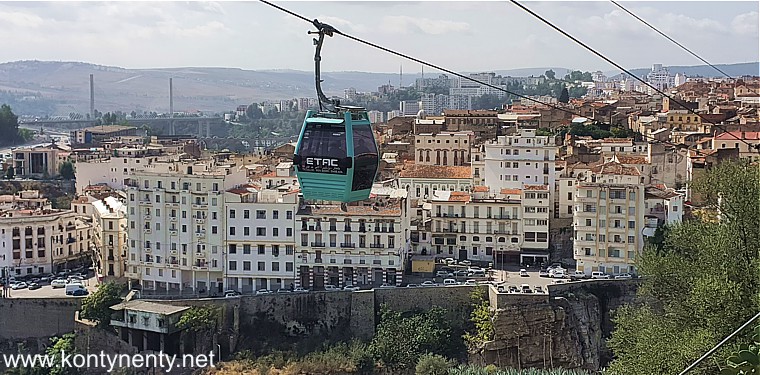
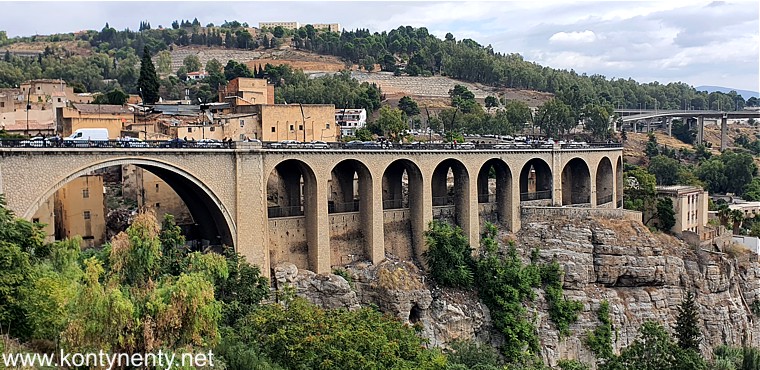
The lower cable car station is in the old town. We walk from the station along the cliff, photographing another bridge – the Sidi Rached Bridge – built of stone and with multiple spans, this allowed the architect to create an interesting arch. The Rhummel River, flowing in the canyon beneath this bridge, disappears – probably in the pipes :)
Dolna stacja kolejki jest na starym mieście. Idziemy dalej wzdłuż klifu, fotografując kolejny most - Sidi Rached Bridge - ten zbudowany jest z kamienia, ma wiele przęseł, co pozwoliło architektowi wygiąć go w ciekawy łuk. Rzeka Rhummel płynąca w kanionie pod tym mostem zanika - prawdopodobnie w rurach, być może pobiera się w ten sposób wodę dla miasta :)
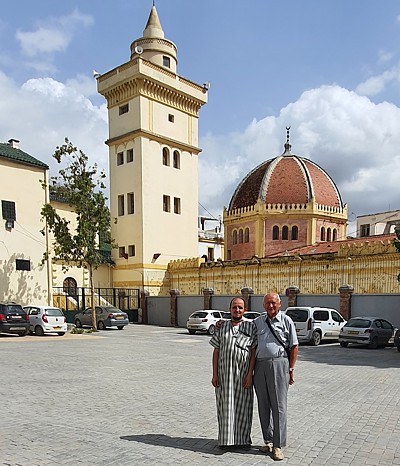
Najważniejszym zabytkiem Konstantyny jest Pałac Ahmed Beya - ostatniego beya Konstantyny. Zbudowano go w połowie XIX wieku. Dziś pełni funkcje muzealne. Do pałacu przylega Meczet Ahmed Beya - to do niego należy kopuła na zdjęciu obok. Meczet był zamknięty gdy się tam znaleźliśmy z moim przewodnikiem. Zamknięty był także pałac, ale szybko wyjaśniliśmy, że zamykają go tylko w środku dnia - w porze południowej modlitwy. Musieliśmy odczekać godzinę na ponowne otwarcie. Za wstęp płaci się 200 dinarów, warto wiedzieć że seniorzy wchodzą bezpłatnie.
The most important monument in Constantine is the Palace of Ahmed Bey – the last bey of Constantine. It was built in the mid-19th century and now serves as a museum. Adjacent to the palace is the Ahmed Bey Mosque – the dome in the photo to the right belongs to it. The mosque was closed when my guide and I arrived. The palace was also closed, but they quickly explained that it only closes during the middle of the day – during the noon prayer. We had to wait an hour for it to reopen. The entrance fee is 200 dinars, but seniors can visit it for free.
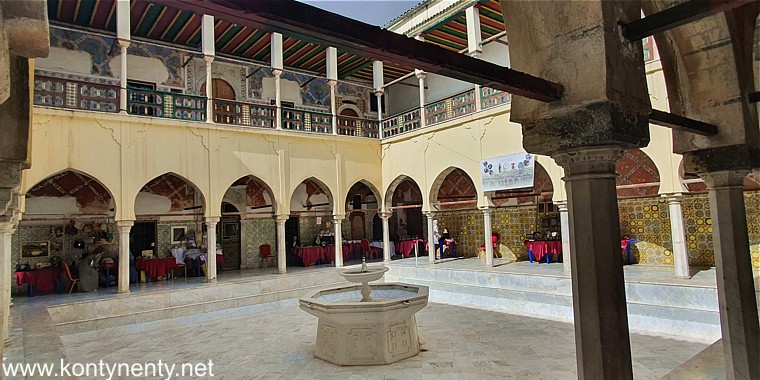
The palace consists of several courtyards, some with pools and fountains, others entirely filled with gardens. Frescoes (upper) and patterned majolica tiles (lower) can be seen everywhere on the walls. The lightness of the columns on both levels is striking. Someone counted that there are 266 columns in the palace.:
Pałac składa się z kilku dziedzińców, na jednych zbudowano baseny i fontanny, inne w całości wypełnione są ogrodami. Wszędzie na ścianach spotkać można freski (w ich górnej części) i wzorzyste majolikowe płytki (na dole). Zadziwia lekkość kolumn ustawionych na obu kondygnacjach. Ktoś naliczył, że tych kolumn w pałacu jest 266:
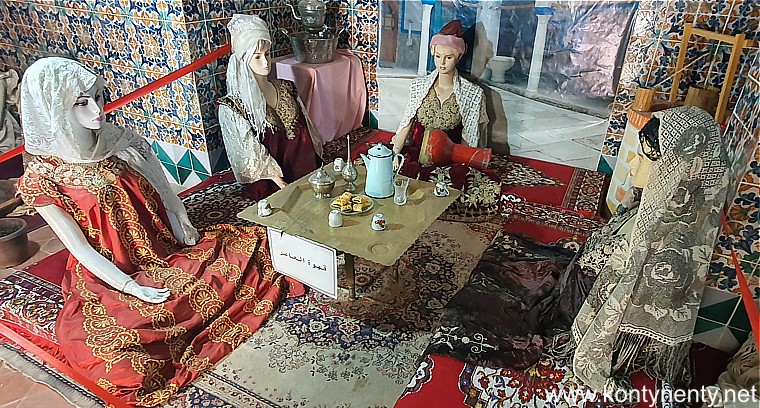
It's not just empty rooms you visit here. Several rooms in the palace feature dioramas depicting daily life in Ahmed Bey's palace. One depicts the breakfast of the women living in the harem:
Zwiedza się tutaj nie tylko puste pokoje. W kilku salach pałacu urządzono dioramy przedstawiające codzienne życie w pałacu Ahmed Beya. Jedna z nich przedstawia śniadanie kobiet mieszkających w haremie:
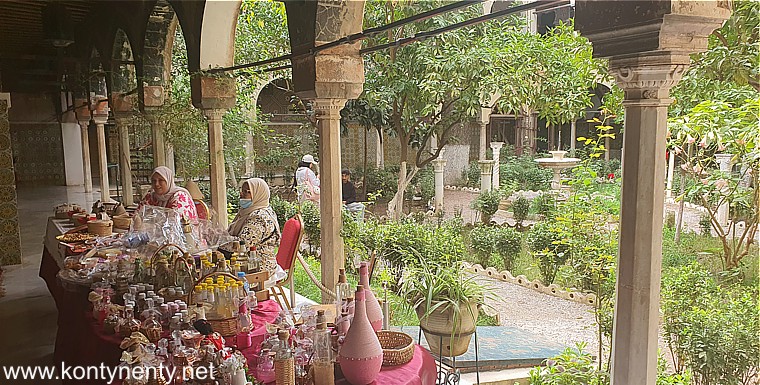
In the palace's cloisters, local women in "folk" costumes sell local handicrafts, regional sweets, and beverages. For the few European tourists, these are affordable items (provided that they exchange their euros on the black market, where they can get 50% more for one euro than in an Algerian bank).
W krużgankach pałacu miejscowe kobiety w "ludowych" strojach sprzedają wyroby miejscowego rękodzieła, regionalne słodycze i napoje. dla nielicznych turystów z Europy nie są to drogie produkty (pod warunkiem, że wymienili swoje euro na czarnym rynku, gdzie dostaje się za euro o 50% więcej niż w algierskim banku)
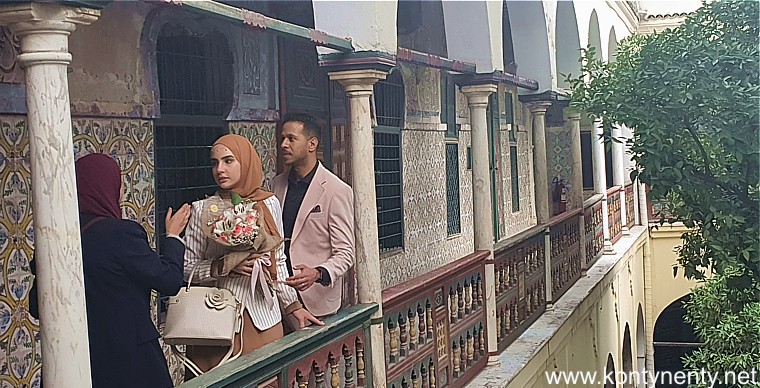
XXAlgeria is changing, albeit slowly. The custom of young couples taking photos in the beautiful surroundings of historic monuments came from Europe. I happened upon one such "just married" couple at Ahmed Bey's Palace. I like photos that speak volumes... They probably didn't even know I was photographing them. I apologize for the lack of permission!
Algieria zmienia sie, choć powoli. Z Europy przyszedł tu zwyczaj zgodnie z którym młode pary fotografują się w pięknej scenerii zabytków. Trafiłem właśnie na taka parę "just married" w pałacu Ahmeda Beya. Lubię takie zdjecia które coś mówią... Pewnie nawet nie wiedzieli, że ich fotografuję. Przepraszam, że bez pozwolenia!
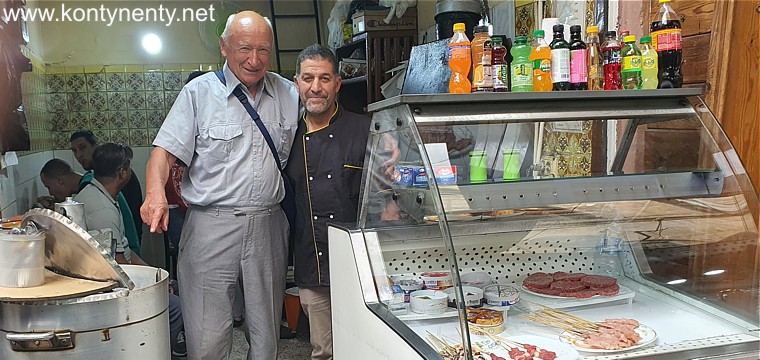
Konstantyna warta jest tego, aby spędzić tu kilka dni. Jej stare miasto ma specjalną atmosferę, a wszystko, co tu się widzi jest bardzo autentyczne. Ludzie są ciekawi przybyszy z zagranicy, chcą rozmawiać z nimi. (najczęściej po francusku). Oddają uśmiechy, nie chcą przyjąć zapłaty za skromny posiłek w garkuchni, proszą o wspólne zdjęcie...
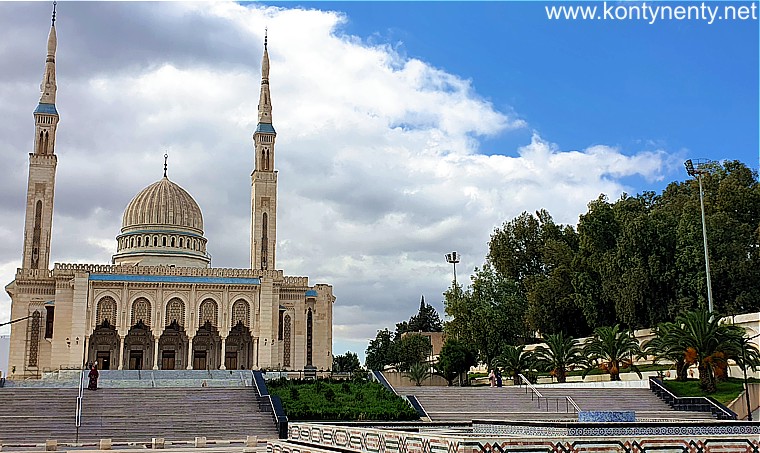
Construction of Constantine's largest and most beautiful mosque was completed in 1994. This beautiful mosque is within walking distance of the old town. I didn't want to miss such an opportunity. I've seen the largest mosques in the world – this one is the second largest in Algeria, with two 107-meter-high minarets and a twenty-meter-diameter dome:
Budowa największego i najpiękniejszego meczetu Konstantyny została zakończona w 1994 roku. Ten piękny meczet jest w zasięgu pieszego spaceru ze starówki. Nie chciałem przegapić takiej okazji. Oglądałem największe meczety świata - ten jest drugim co do wielkości w Algierii, ma dwa minarety o wysokości 107 metrów i kopułę o średnicy dwudziestu metrów:
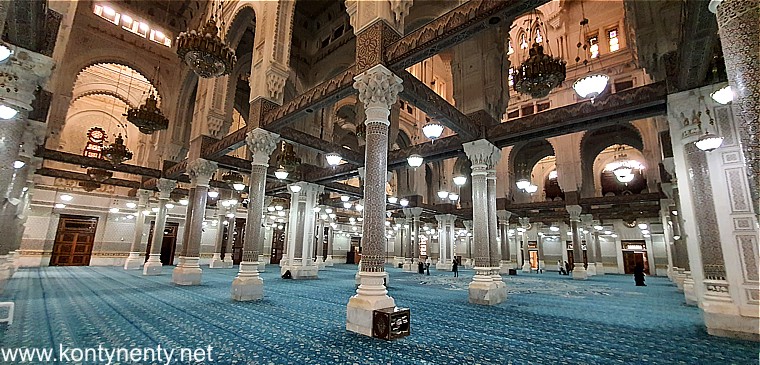
XThe interior of the mosque is beautifully decorated. I was surprised by the blue color of the carpets covering the entire floor. In the mosques I had previously visited, red had always been the dominant color. In the morning, the interior of the mosque was almost empty, allowing me to wander around freely and take photos. It was worth the visit!
Wnętrze meczetu ma bardzo piękną dekorację. Zaskoczeniem dla mnie był niebieski kolor dywanów pokrywających całą podłogę. W meczetach, które wcześniej oglądałem dominował zawsze kolor czerwony. Rano wnętrze świątyni było niemal puste, mogłem swobodnie chodzić i fotografować. Warto było tu przyjść!
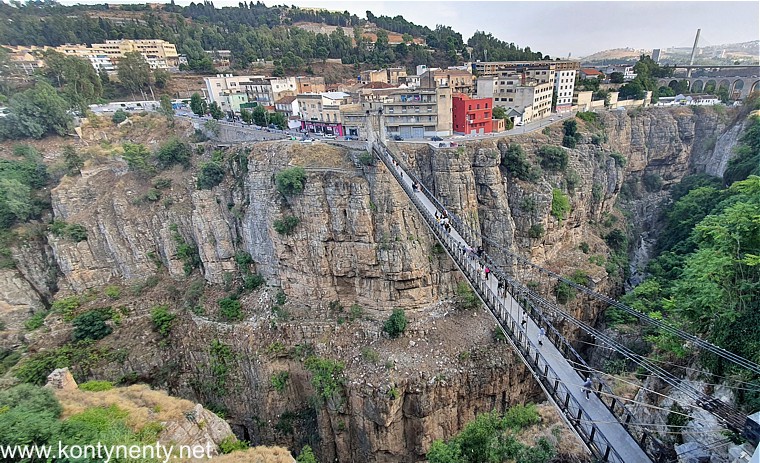
XI visited the impressive Abdelkader Mosque in the morning. Later that afternoon, I packed my backpack again and walked across Constantine's prettiest bridge, Mellah Slimane, opened in 1925, to the train station located on the opposite side of the gorge. As you can see in the photo, the bridge is pedestrian-only:
W imponującym Meczecie Abdelkadera byłem rano. Jeszcze tego samego dnia po południu ponownie spakowałem plecak i przez najładniejszy most Konstantyny - Mellah Slimane, otwarty w 1925 roku pomaszerowałem na stacje kolejową, zlokalizowaną po przeciwnej stronie wąwozu. Jak widać na zdjęciu most przeznaczony jest tylko dla pieszych:
When I reached the station, it was 3:00 PM. I headed to the ticket counter to get my ticket. Imagine my surprise when the same clerk told me the train to Jijel had left an hour earlier. How could that be? "You clearly wrote on the card: 4:00 PM!" A mistake - they said... that's Algeria! I had to find a shared taxi:
Gdy dotarłem do stacji była godzina 15.00. Skierowałem się do kasy po bilet. Jakież było moje zaskoczenie, gdy ta sama urzędniczka powiedziała mi, że pociąg do Jijel odjechał godzinę wcześniej. Jak to? -Na kartce napisała mi pani wyraźnie: 16.00! Pomyłka - powiedzieli... taka jest Algieria! Musiałem poszukać zbiorowej taksówki:
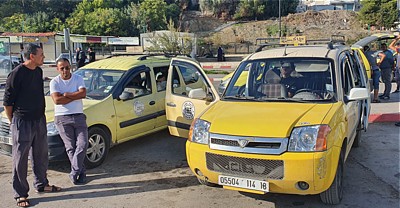
Zbiorowe taksówki (franc. Taxi colectiff) to osobowe samochody różnych marek malowane na żółto. Na przednim siedzeniu siedzi jedna osoba, w następnych rzędach - po trzy. Cena przejazdu w konkretnej relacji jest stała i zatwierdzona przez władze. Za kurs do Jijel - to 140 km - każdy z pasażerów miał zapłacić 500 dinarów czyli około 2 euro. Czekałem prawie godzinę zanim samochód się wypełnił i ruszyliśmy.
Shared taxis (French: Taxi colectiff) are passenger cars of various brands painted yellow. One person sits in the front seat, with three in each row. The fare for a specific route is fixed and approved by the authorities. For the trip to Jijel, 140 km away, each passenger had to pay 500 dinars, or about 2 euros. I waited almost an hour before the car filled up and we set off.
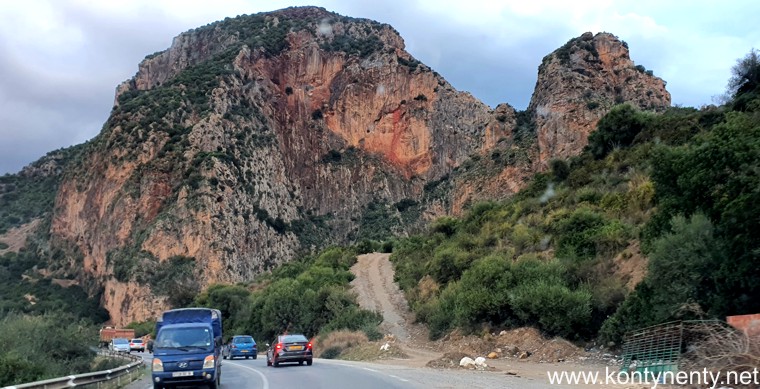
People often imagine Algeria as a flat, semi-arid plain. They're wrong! We first drove along an elongated artificial lake. We passed a dam on a mountain river, and then a narrow mountain road began to climb high slopes, revealing beautiful views. Unfortunately, the sun was already setting below the horizon, and the lighting wasn't the best:
Ludzie często wyobrażają sobie Algierię jako płaską, półpustynną równinę. Są w błędzie! Jechaliśmy najpierw wzdłuż wydłużonego sztucznego jeziora. Minęliśmy tamę na górskiej rzece, a potem wąska górska szosa zaczęła wspinać sie na wysokie zbocza, otwierając piękne widoki. Niestety słońce zapadało już za horyzont i oświetlenie nie było najlepsze:
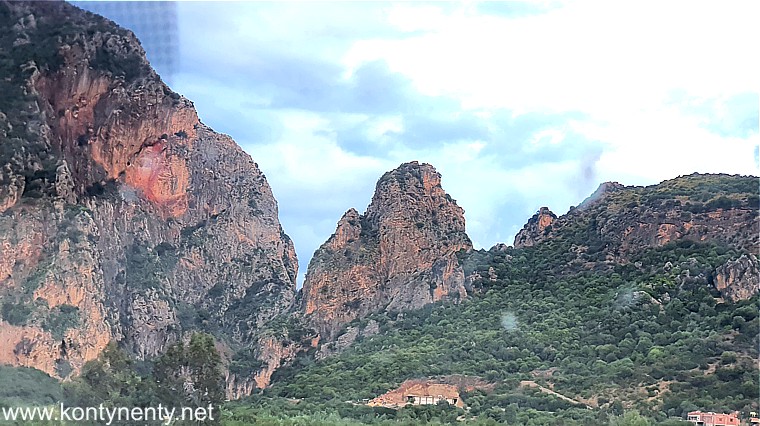
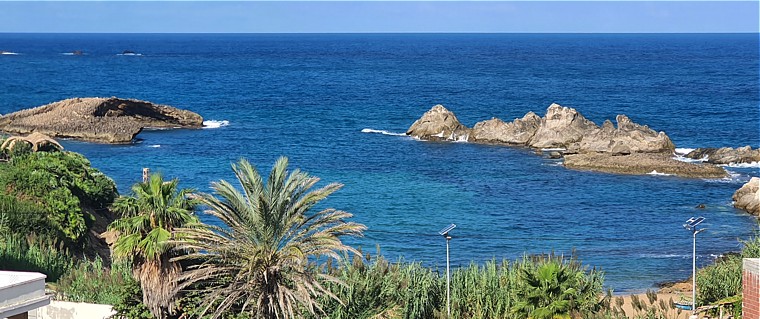
By the time we finally reached the town of Jijel, it was already dark. Despite this, I could see that Jijel wasn't exactly a particularly interesting town. Aside from a small port and a stretch of seaside promenade, there was nothing of interest here. It turned out that the Hotel Plage d'Or I'd booked through Booking.com was located 5 km outside of town. I'd dreamed of a comfortable bed—and that's exactly what I got. When I woke up in the morning, this was the view from the balcony:
Gdy dotarliśmy w końcu do miasta Jijel [Dżidżel] było już ciemno. Mimo tego mogłem sie przekonać, że Jijel nie jest ciekawym miastem. Poza niewielkim portem i odcinkiem nadmorskiej promenady nie ma tu nic interesującego. Okazało się, że zarezerwowany przez Booking hotel Plage d'Or jest położony 5 km za miastem. marzyłem o wygodnym łóżku - i takie dostałem. Gdy rano wstałem z balkonu miałem taki widok. To było Morze Śródziemne w całej swojej krasie:
After a modest breakfast, prepared by the hotel for just two guests, I headed out to the coast. Hidden among the rocks near the hotel and neighboring apartment buildings was a small beach with a boat rental, but it was so littered that I don't want to show it here. I decided to walk to the large beach, visible about two kilometers away:
Po skromnym śniadaniu, przygotowanym w hotelu dla dwóch tylko gości wyszedłem na wybrzeże. Między skałami koło hotelu i sąsiednich apartamentowców była ukryta mała plaża z wypożyczalnią łódek, ale tak zaśmiecona, że nie chcę jej tutaj pokazywać. Postanowiłem iść na dużą plażę widoczną w odległości około dwóch kilometrów:
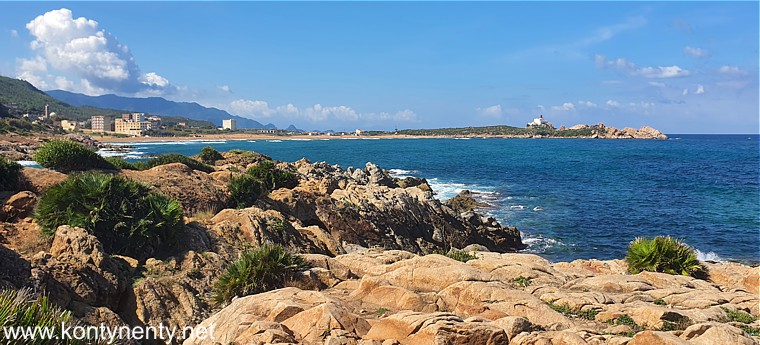
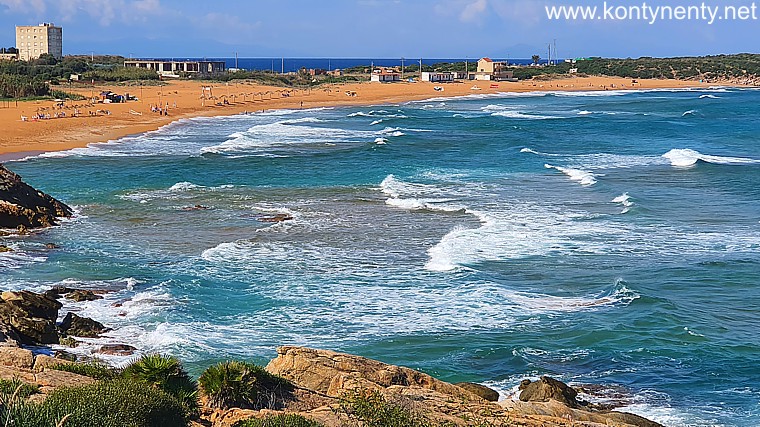
It was a beautiful walk with picturesque views. Grand Phare Beach was wide and almost a kilometer long. There were maybe twenty beachgoers—all Algerians. I asked the owner of the few sun loungers and tables scattered around why there were so few guests. He replied that the beginning of October is already the end of their season:
To był piękny spacer z malowniczymi widokami. Plaża Grand Phare była szeroka i długa na prawie kilometr. Plażowiczów było może dwudziestu - wyłącznie Algierczyków. Zapytałem właściciela kilku rozstawionych leżaków i stolików dlaczego tak mało gości. Odpowiedział, że początek października to u nich już koniec sezonu:
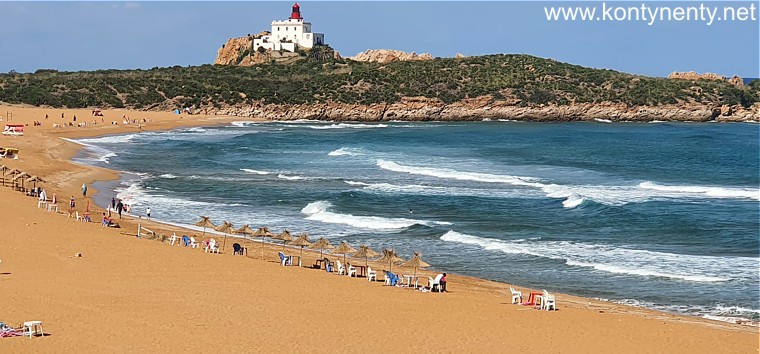
The tide was high, even though the beach is sheltered by a rocky promontory with an interesting lighthouse built on it. I didn't even try to approach the lighthouse and explore it. In other countries, lighthouses are open to tourists, and the locals make money from them. Not in Algeria! As I've already written, photography is not allowed here, even in the waiting room of a railway station!
Fala była wysoka, choć plaża osłonięta jest skalistym cyplem, ze zbudowaną na nim ciekawą latarnią morską. Nawet nie próbowałem podejść do latarni i próbować jej zwiedzać. W innym kraju latarnie są otwarte dla turystów, a miejscowi zarabiają na tym pieniądze. Nie w Algerii! Jak już pisałem tu nawet w poczekalni stacji kolej nie wolno fotografować!
On my way back from the beach, a private car driver approached me and offered to take me along the coastal road to Tichy, 80 kilometers away, where I planned to stay at a youth hostel. It was a bank holiday Friday, and traffic was minimal. He tempted me to stop for photos at several points along the way. Finally, I agreed, and soon we departed. This stretch of coast is truly picturesque:
Gdy wracałem z plaży zaczepił mnie kierowca prywatnego samochodu proponując, że zawiezie mnie nadmorską szosą do Tichy, 80 kilometrów dalej gdzie miałem zamiar zatrzymać się w schronisku młodzieżowym. Był świąteczny piątek i ruch na szosie minimalny. Kusił, że przystanie dla zdjęć w kilku miejscach po drodze. W końcu zgodziłem się i pojechaliśmy. Ten odcinek wybrzeża jest rzeczywiście bardzo malowniczy:
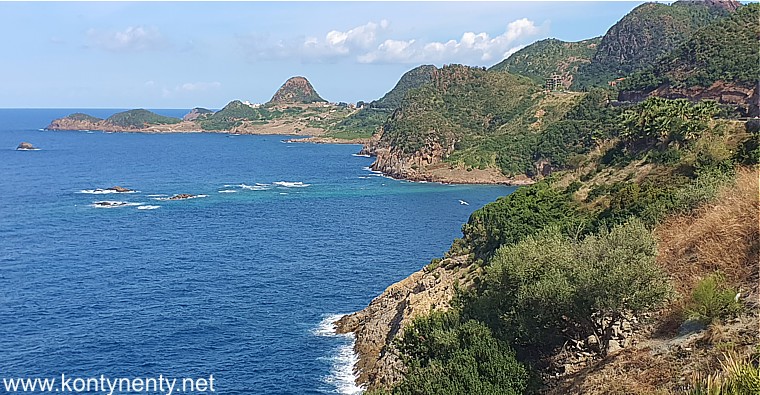
Along the way, we passed several small towns with beautiful beaches. Green mountains stretched down to the seashore in the background. These were postcard-perfect views in a country where, due to lack of demand, postcards aren't printed. We stopped several times in littered parking lots to take photos.
Na trasie mijaliśmy kilka niewielkich miasteczek z ładnymi plażami. W tle miały zielone góry, docierające aż do morskiego brzegu. To były pocztówkowe widoki w kraju, gdzie z braku zapotrzebowania nie drukuje się pocztówek. Stawaliśmy kilka razy na zaśmieconych parkingach, by zrobić zdjęcia.
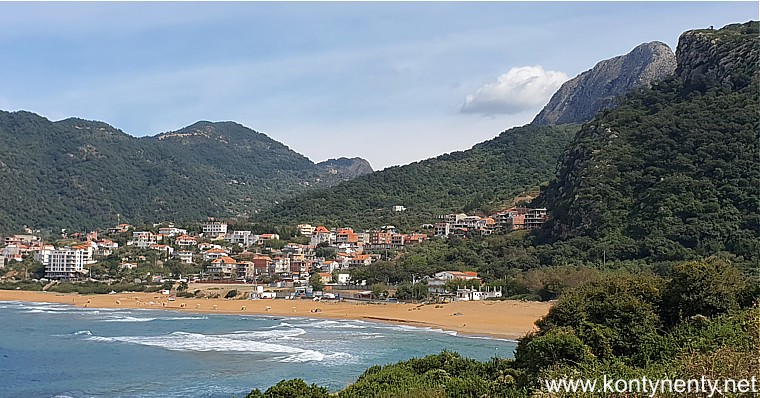
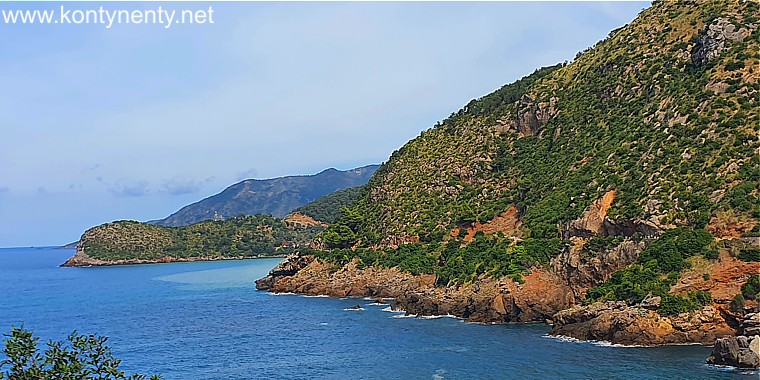
The coastal road leading west is narrow and for long stretches traverses ledges carved into the rocky slope. Can you see this road in the photo below? Sandy beaches are found here only in the bays...
Nadmorska szosa prowadząca na zachód jest wąska i na długich odcinkach prowadzi po półkach wykutych w skalistym zboczu. Czy widzicie tę drogę na zdjęciu poniżej? Piaszczyste plaże są tu tylko w zatokach...
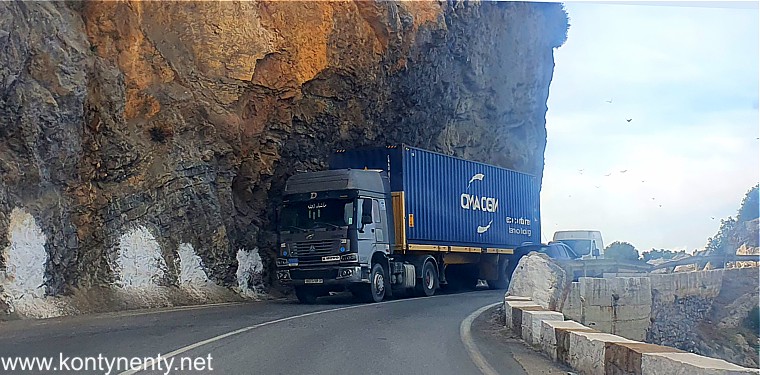
I asked the driver to drive slowly—not just so I could take photos while driving. You have to drive carefully here, as there are some real "death curves" along the route. There are no mirrors installed. Meeting a large truck on such a curve could end badly:
Prosiłem kierowcę, aby jechał powoli - nie tylko dlatego, abym podczas jazdy mógł robić zdjęcia. Trzeba tu jechać ostrożnie, bo na trasie zdarzają prawdziwe "zakręty śmierci". Nie ma zainstalowanych luster. Spotkanie na takim zakręcie wielkiej ciężarówki może się źle skończyć:
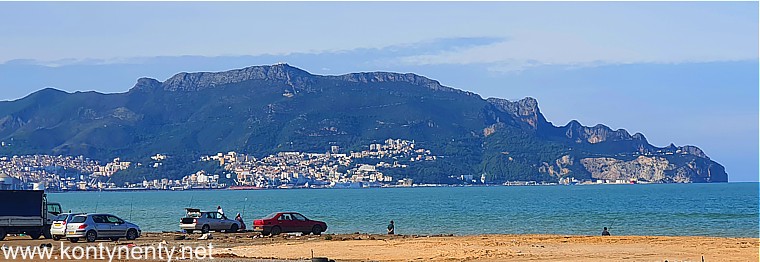
In Tichy, it turned out the youth hostel was closed. Only a sign with Arabic writing hung on the sturdy metal gate. "Ferme, closed!" passersby explained to me. And yet, the Algerian couchsurfer assured me he'd reserved a bed for me for that night! Such is Algeria! Luckily, Bijaia was only a dozen or so kilometers away. Soon, I saw this large city on the other side of the bay:
W Tichy okazało się, że schronisko jest zamknięte. Na solidnej, blaszanej bramie wisiała tylko kartka z arabskim napisem. -Ferme, closed! - tłumaczyli mi przechodnie. A przecież Algierski couchsurfer zapewniał, że zarezerwował mi łóżko na tę noc! Taka jest Algieria! Na szczęście do Bijaia [bidżaja] było tylko kilkanaście kilometrów. Wkrótce zobaczyłem to duże miasto po drugiej stronie zatoki:
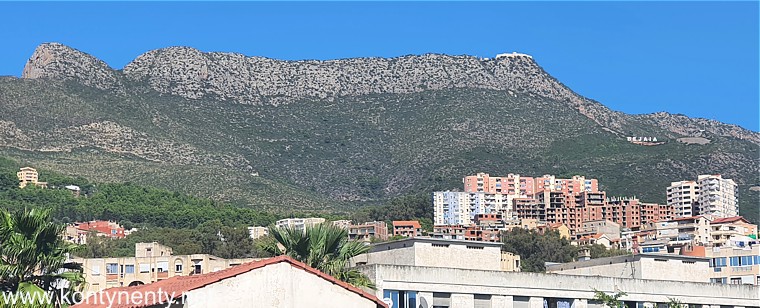
Bijaia (or Bejaia) is the provincial capital. Nearly 200,000 people live there. Above the city rises a distinctive, very broad peak, which I have personally dubbed Algeria's Table Mountain (due to its resemblance to a similar mountain in Cape Town, which is significantly higher). The white object to the right of the peak is an inaccessible military facility:
Bijaia (lub Bejaia) jest stolicą prowincji. Mieszka w niej prawie 200 tysięcy ludzi. Ponad miastem ciągnie się charakterystyczny, bardzo szeroki szczyt, który ja na własny użytek nazwałem Algierską Górą Stołową (przez podobieństwo do podobnej góry w Cape Town, która jest jednak znacznie wyższa). Biały obiekt po prawej stronie szczytu to niedostępny obiekt wojskowy:
My CS host, who couldn't accommodate me in his home, gave me the address of a good hostel: Residence Akhamnegh, 24 Chemin des Cretes. I showed up without a reservation, but there were plenty of spaces available. The hostel occupies the first and second floors of a nice building on a busy street. It's an uphill walk to the hostel, about a kilometer from the Freres Oubelgha intersection:
Host CS, który nie mógł zakwaterować mnie w swoim domu podał mi za to adres dobrego schroniska; Residence Akhamnegh, 24 Chemin des Cretes. Ta ulica na cyfrowych mapach nazywa się Route de Boulimat. Zjawiłem się w hostelu bez rezerwacji, ale wolnych miejsc było sporo. Hostel zajmuje pierwsze i drugie piętro ładnego budynku przy ruchliwej ulicy. Idzie się do niego pod górę - około kilometr od skrzyżowania Freres Oubelgha:
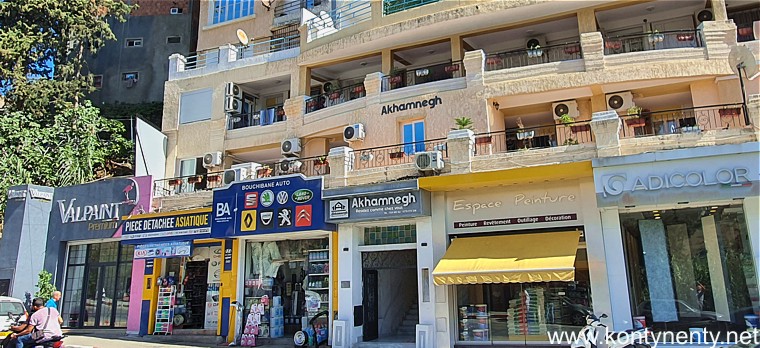
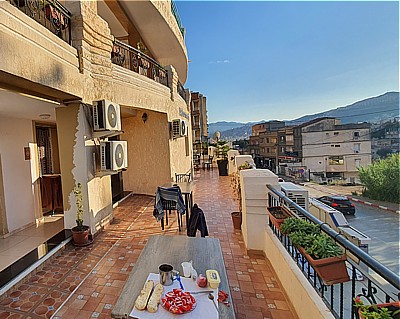
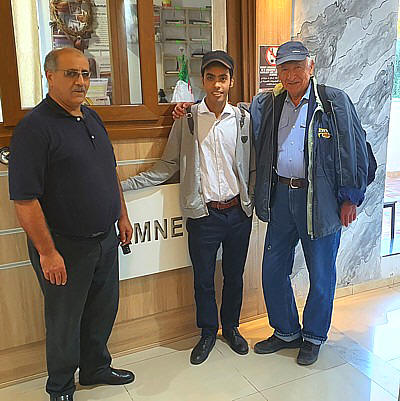
This charming hostel (more commonly called auberge in French) is worth recommending. You can stay here for 1,500 dinars in a 6-person dormitory with a bathroom, or for 3,500 dinars in a private room. The intelligent and curious Zak from Tlemcen (pictured next to me) works at the front desk. Zak speaks surprisingly good English and is hospitable and helpful. A major attraction of this hostel is the wide terrace, where I was writting at a table and ate my home-cooked meals:
Ten sympatyczny hostel (częściej mówią auberge - po francusku) wart jest polecenia. Można tu przenocować za 1500 dinarów w 6-osobowej sypialni z łazienką lub za 3500 w pokoju prywatnym. W recepcji pracuje Inteligentny i ciekawy świata Zak z Tlemcenu (na zdjęciu stoi obok mnie). Zak nadspodziewanie dobrze mówi po angielsku, jest gościnny i pomocny. Wielką atrakcją tego hostelu jest szeroki taras, na którym pisałem przy stoliku i jadłem własnoręcznie przygotowane posiłki:
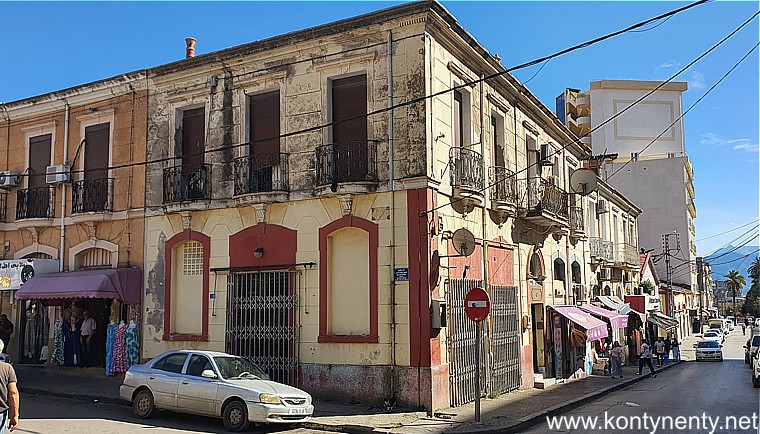
The next day, I set off on foot to explore the city. Its oldest part, around the port, is a bit neglected—mostly colonial-era buildings. I love the atmosphere of the narrow streets with their iron balconies and small shops tucked under awnings:
Następnego dnia ruszyłem pieszo na zwiedzanie miasta. Jego najstarsza część rozłożona wokół portu jest trochę zaniedbana - to głównie budowle z okresu kolonialnego. Lubię jednak klimat wąskich uliczek z żelaznymi balkonikami i małymi sklepikami schowanymi pod markizami:
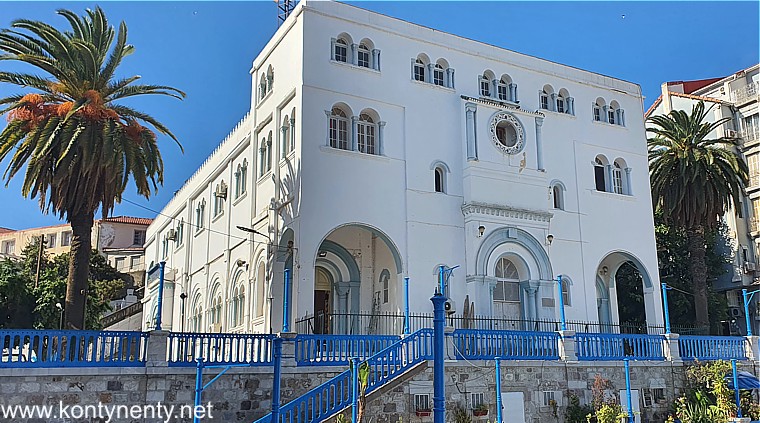
Buildings from various institutions dating back to the colonial period, such as the city hall or the Office of Religious Affairs (pictured below), are a bit more presentable. They are usually painted white:
Trochę lepiej prezentują się budynki różnych instytucji pochodzące z okresu kolonialnego jak ratusz lub pokazane na zdjęciu poniżej Biuro Spraw Religijnych. Z reguły malowane są na biało:
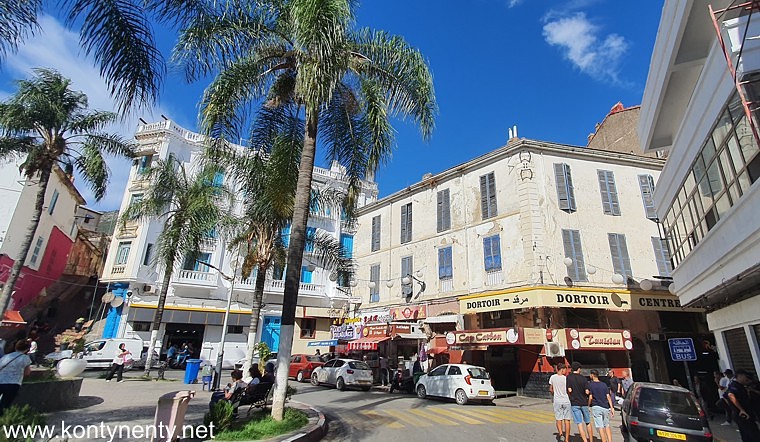
The center of the colonial district is the small, palm-shaded Moudjahed Cherif Square. Buses 26 and 27 terminate here. Cafes and ice cream parlors surround the square. The most important landmark is the post office, in front of which you'll find a marker showing distances to other Algerian cities:
Centrum dzielnicy kolonialnej wyznacza niewielki, ocieniony palmami placyk Moudjahed Cherif. Jest tu pętla autobusów 26, 27. Wokół placu rozsiadły się kawiarnie i lodziarnie. Najważniejszym obiektem jest budynek poczty przed którym znajdziecie marker pokazujący odległości do innych miast Algierii:
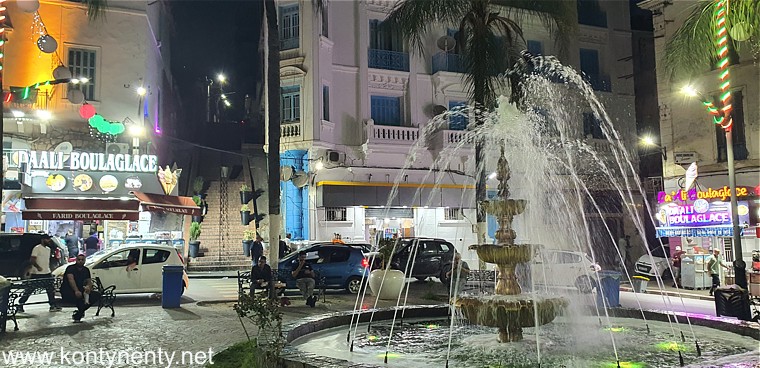
This square looks especially beautiful after dark, when the illuminated fountain in the center of the square is in operation. One can imagine French ladies sitting on the benches around the fountain in the evenings. Today, the ladies are gone. And on the benches sit Algerian men:
Wyjątkowo ładnie prezentuje się ten placyk po zmroku, gdy działa podświetlona fontanna na środku placu. Można sobie wyobrazić francuskie damy siedzące wieczorami na ławkach wokół fontanny. Dziś nie ma już dam. A na ławkach siedzą Algierscy mężczyźni:
A narrow, 100-meter-long street converted into a pedestrian promenade leads from this square to another – Place 1 November, which boasts a magnificent terrace overlooking the port and bay. Monumental bank buildings occupy two sides of the square. The third side is occupied by the colonial Hotel de L'Etoile, with its open-air café under shady trees:
Wąska, stumetrowa uliczka zamieniona na deptak dla pieszych prowadzi z tego placyku na inny plac - Plac 1 Listopada, który ma wspaniały taras otwarty w kierunku portu i zatoki. Dwie pierzeje placu zajmują monumentalne gmachy banków. W trzeciej rozsiadł się kolonialny Hotel de L'Etoile z kawiarnią pod cienistymi drzewami na otwartym powietrzu:
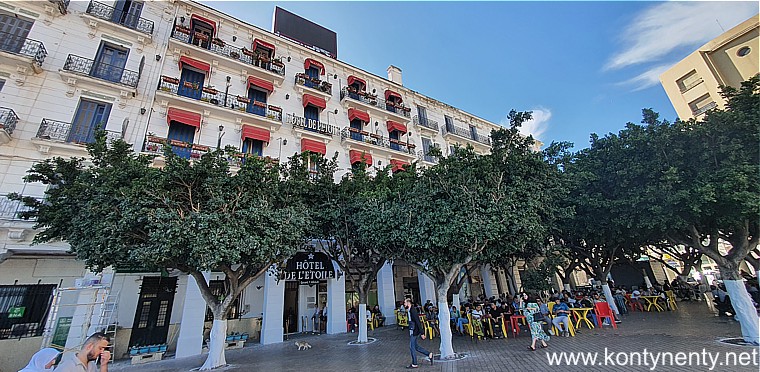
Following local custom, only local men sit at the café tables in front of the city's best hotel. They sit for hours, never ordering any fancy drinks or dishes... The important thing is to get a seat! And where are the local women? At home, or at work. Sometimes, they go on trips in their own female company, admiring the view—as here—on the terrace next to the Hotel de L'Etoile:
Zgodnie z miejscowym obyczajem przy kawiarnianych stolikach przed najlepszym hotelem miasta siedzą sami miejscowi mężczyźni. Siedzą godzinami i nie zamawiają wcale wyszukanych trunków ani dań... Ważne aby zdobyć miejsce! A gdzie są miejscowe kobiety? W domach, albo w pracy. Czasem we własnym, damskim towarzystwie jeżdżą na wycieczki i wtedy podziwiają widoki - jak tutaj - na tarasie obok Hotel de L'Etoile:
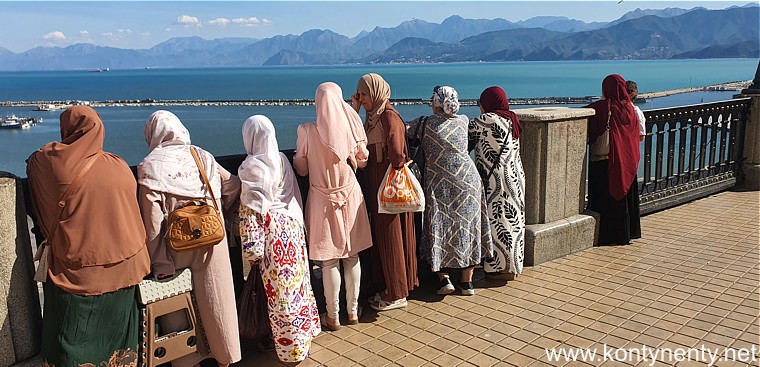
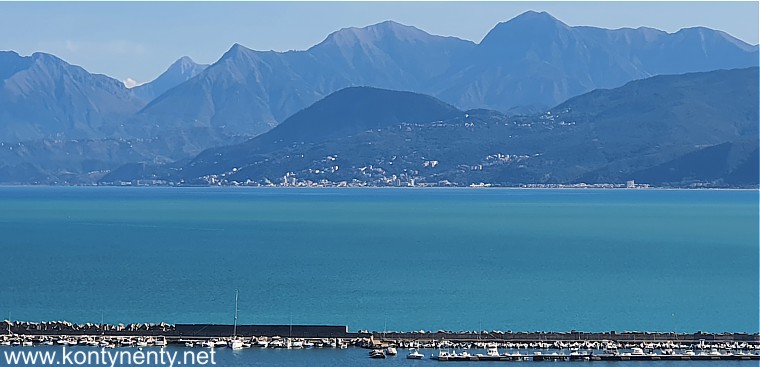
The view from the terrace is magnificent. The blue and turquoise waters of the bay, and on the other side, tall, green mountains. Below them, the route I took yesterday from Jijel:
Widok z tarasu jest wspaniały. Błękit i turkus wody w zatoce, a po jej drugiej stronie wysokie, zielone góry. Poniżej nich trasa, którą przyjechałem wczoraj z Jijel:
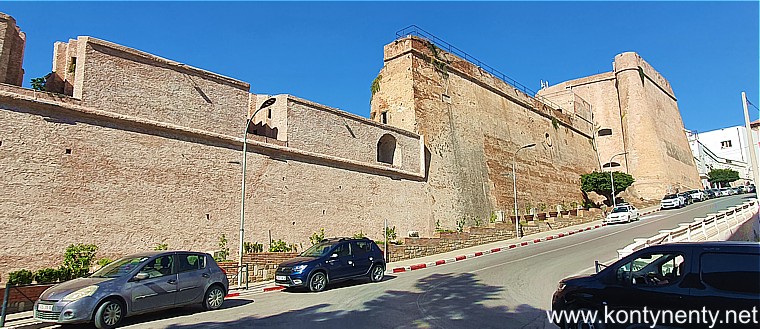
From November 1st Square, I walked down a mere 10 minutes to the Kasbah—an Arab fort built during the Almohad Caliphate in 1154. The fort was later restored by the Spanish in 1510. Today, it's a museum. I was curious to see what lay behind these walls:
Z Placu 1 Listopada schodziłem w dół tylko 10 minut do kazby - arabskiego fortu zbudowanego w czasach kalifatu Almohadów w 1154 roku, Fort był potem restaurowany przez Hiszpanów w 1510 roku. Dziś jest obiektem muzealnym. Ciekaw byłem. co kryje się za tymi murami:
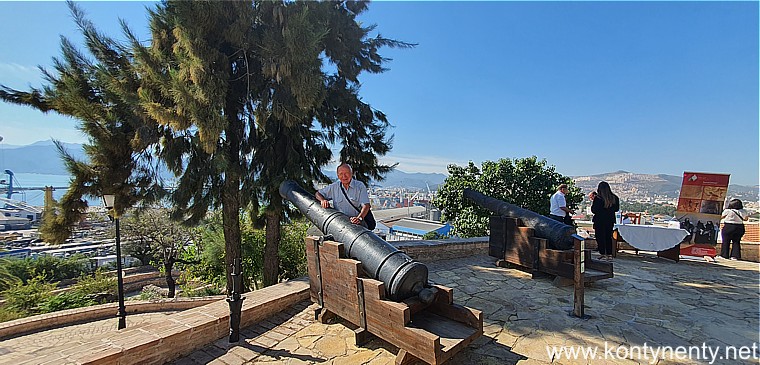
A small entrance fee is charged at the fort gate, but seniors are exempt. The fort grounds contain numerous beautifully restored rooms on several levels. Unfortunately, they contain very few exhibits from previous eras. On the terrace overlooking the bay, two old cannons are placed, and tourists take photos at them. Me too!
W bramie fortu pobierają niewielką opłatę za wstęp, ale seniorzy są z tej opłaty zwolnieni. Na terenie fortu jest wiele ładnie odrestaurowanych pomieszczeń na kilku poziomach. Niestety niewiele w nich eksponatów z poprzednich epok. Na tarasie otwartym w kierunku zatoki ustawiono dwie stare armaty, przy których fotografują się turyści. Ja też!
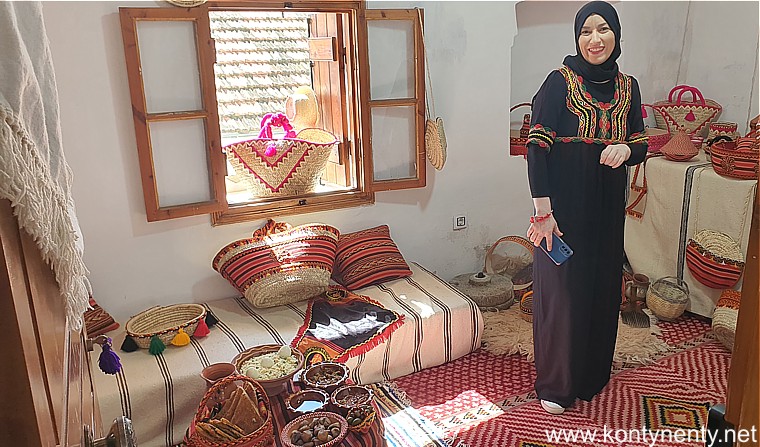
Some of the rooms house travel agencies, while others sell Algerian handicrafts. A saleswoman, dressed in traditional garb, allowed me to take her photo – this was something unusual in this country – only very emancipated women dare to pose for photos. But this is slowly changing... Female students speaks here better English then male...
W niektóry pomieszczeniach mają swoje biura agencje turystyczne, w innych sprzedają wyroby algierskiego rękodzieła. Sprzedawczyni, ubrana w tradycyjny strój pozwoliła mi zrobić sobie zdjęcie - to coś niezwykłego w tym kraju - tylko bardzo wyemancypowane kobiety decydują się pozować do zdjęć. Ale to się powoli zmienia...
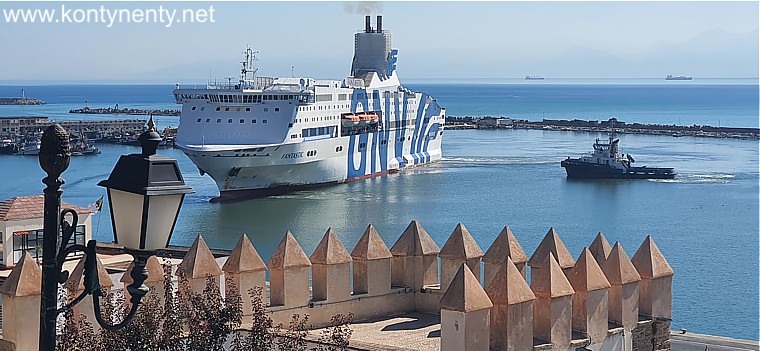
Miałem szczęście! Gdy siedziałem na murach kazby wszedł do portu i zacumował duży statek. To nie był statek wycieczkowy, ale prom. Wiele takich jednostek wozi pasażerów z Francji i Włoch do Algerii. Są to w większości Algierczycy pracujący w Europie i ich rodziny:
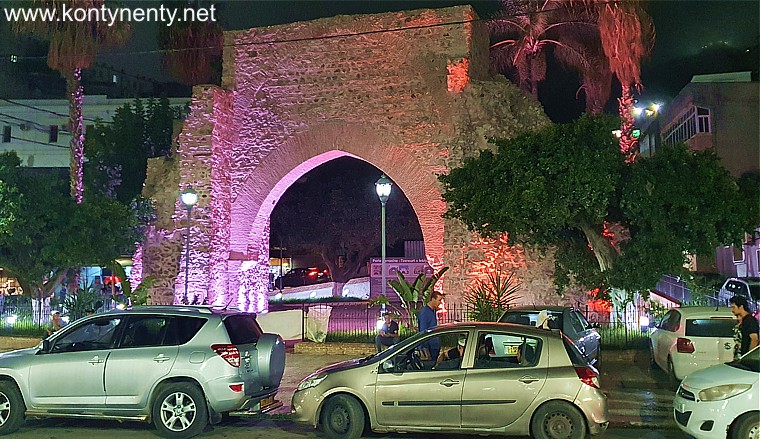
From the kasbah, you can walk down to the port, where one of the city's historic gates, Porte Sarasine, has been preserved. It looks much better after dark when illuminated:
Z kazby można zejść w dół do portu, przy którym zachowała się jedna z historycznych bram miejskich - Porte Sarasine. Zdecydowanie lepiej prezentuje się ona po zmroku, gdy jest iluminowana:
The extensive port in Bijaia prevents access to the bay. Yet, like in any Mediterranean town, there should be a corniche - promenade along the seafront. It was built behind the port, in front of the tanker pier. Access is via a tunnel from the port gate. In the evenings, strollers arrive, sellers are opening their kitchens and cafes, they are switching on color lanterns:
Rozległy port uniemożliwia w Bijaia dostęp do zatoki. A przecież, jak w każdym śródziemnomorskim mieście powinien tu być spacerowy nadmorski bulwar. Zbudowano go za portem, przed molem dla tankowców. Przechodzi się tam od portowej bramy tunelem. Wieczorem pojawiają się tu spacerowicze, otwierają garkuchnie i kawiarnie, zapalają lampiony. Nazywają to Brise de Mer:
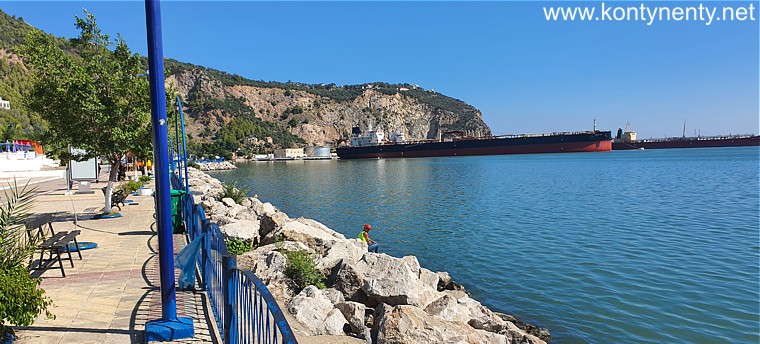
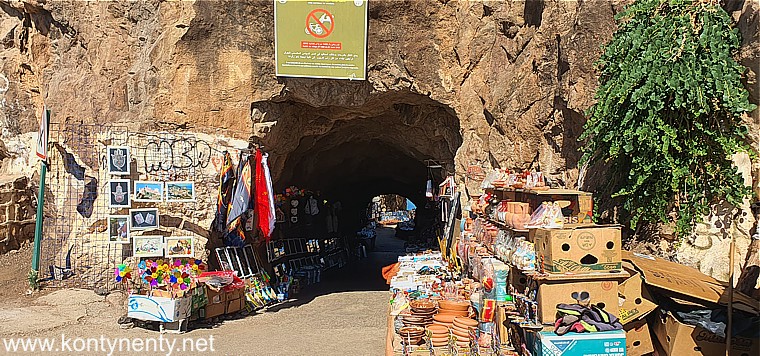
The cape visible behind the tanker in the photo above is Cap Bouak. Beyond it lies a national park encompassing the next, even higher cape, Cap Carbon. The park is renowned for its beautiful views, so I decided to head there, and since the distance was considerable, I took the Algerian equivalent of UBER, called Yassir. An old Toyota drove me to a parking lot by a tunnel carved into the rock for 300 dinars. Then, I walked on foot, through the tunnel, past stalls selling tacky souvenirs:
Przylądek widoczny za tankowcem na zdjęciu powyżej to Cap Bouak. Za nim znajduje się park narodowy obejmujący teren następnego, jeszcze wyższego przylądka - Cap Carbon. Park słynie z pięknych widoków - postanowiłem tam dotrzeć, a że odległość była znaczna skorzystałem z algierskiego odpowiednika UBERA, który nazywa się Yassir. Stara toyota dowiozła mnie za 300 dinarów do parkingu przy wykutym w skale tunelu. Dalej idzie się pieszo - przez krótki tunel, wśród kramów z tandetnymi pamiątkami:
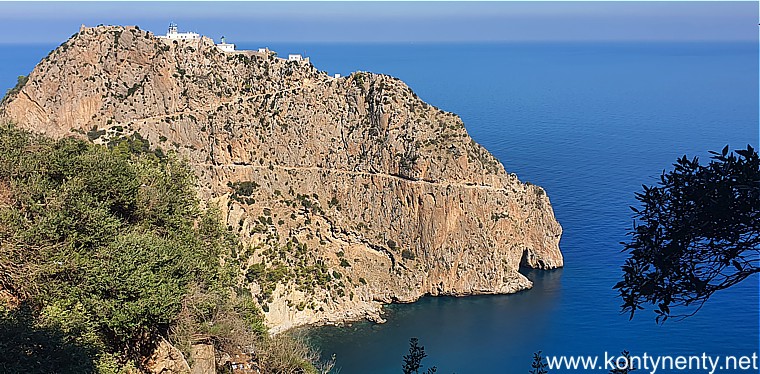
After emerging from the dark tunnel, I was captivated by the extraordinary view. Ahead of me, rising from the sea, a lush, garnet-colored rock with a lighthouse at its peak, loomed. Two paths were carved into the rock: one climbed diagonally to the lighthouse, the other descended to the cape. I didn't yet know that both paths were inaccessible. This is Algeria—no information for foreigners!
Po wyjściu z mrocznego tunelu stanąłem zachwycony niezwykłym widokiem. Przede mną z morza w kolorze soczystego granatu wyrastała skała z zabudowaniami latarni morskiej na szczycie. W skale wykuto dwie ścieżki: jedna wspinała się skosem do latarni morskiej, a druga opadała w dół- na przylądek. Jeszcze nie wiedziałem, że obie ścieżki są niedostępne. To Algieria - zero informacji dla obcokrajowców!
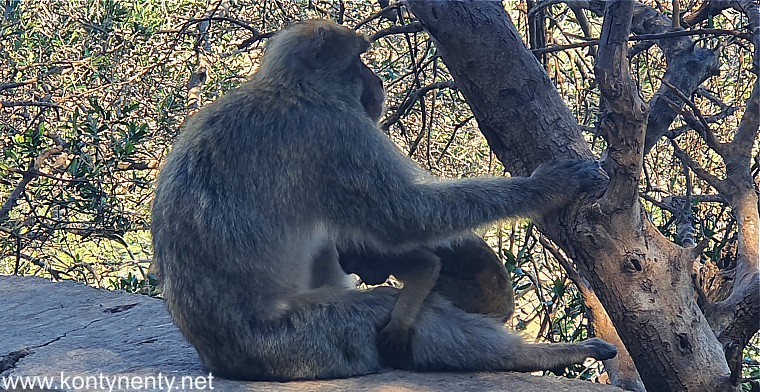
A wide, well-maintained path sloped down from the tunnel, protected from the slope by a stone balustrade. Baboons were cavorting along the balustrade, clearly accustomed to people bringing them food. They weren't aggressive! See that little one in the photo, playing under the care of its mother? I started down the path.
Od tunelu opadała w dół szeroka, dobrze utrzymana ścieżka, zabezpieczona od strony stoku kamienną balustradą. Po balustradzie hasały pawiany, przyzwyczajone widać do tego, że ludzie przynoszą im tu jedzenie. Nie były agresywne! Widzicie na zdjęciu tego malucha, który bawi się pod opieką matki? Zacząłem schodzić ścieżką w dół.
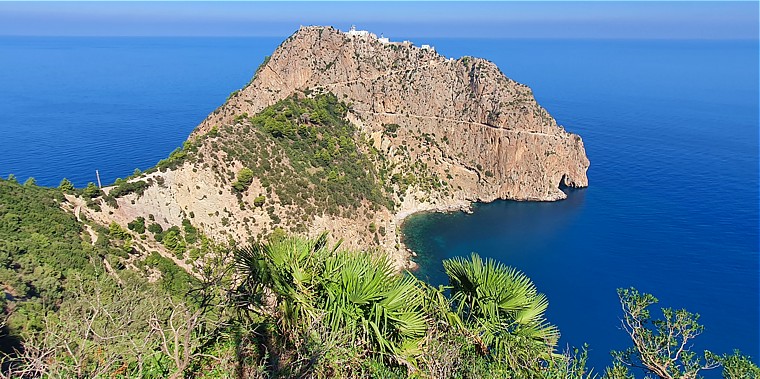
As I descended a little lower, a wider landscape revealed itself. I could already see my path zigzagging down to a small pass between the mainland and the rock with the lighthouse. The descent from the tunnel to this pass took me about 30 minutes, with stops for the photos...
Gdy zszedłem trochę niżej odsłonił się szerszy krajobraz. Widziałem już, że moja ścieżka opada zygzakami na małą przełęcz między kontynentem, a skałą z latarnią morską. Zejście od tunelu na tę przełęcz zabrało mi około 30 minut, z postojami na zdjęcia...
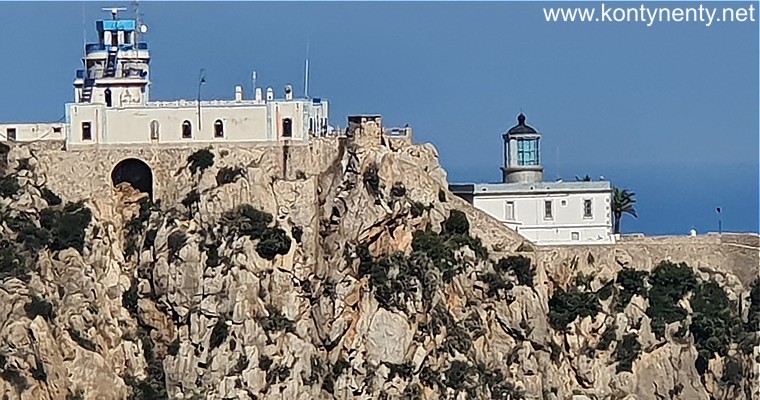
The camera's zoom allowed for a closer look at the Cap Carbon lighthouse itself. It was built by Italians in 1889. Perched 235 meters above sea level, it emits a light visible from 35 miles away. I noticed that there are actually two lighthouses: the one emitting the light, and a few meters higher, a radar beacon:
Zoom aparatu pozwolił przyjrzeć się z bliska samej latarni Cap Carbon. Zbudowali ją Włosi w 1889 roku. Ustawiona na wysokości 235 metrów nad poziomem morza wysyła światło widoczne z odległości 35 mil. Zauważyłem, że są tam naprawdę 2 latarnie: ta wysyłająca światło i kilka metrów wyżej - radiolatarnia z radarem:
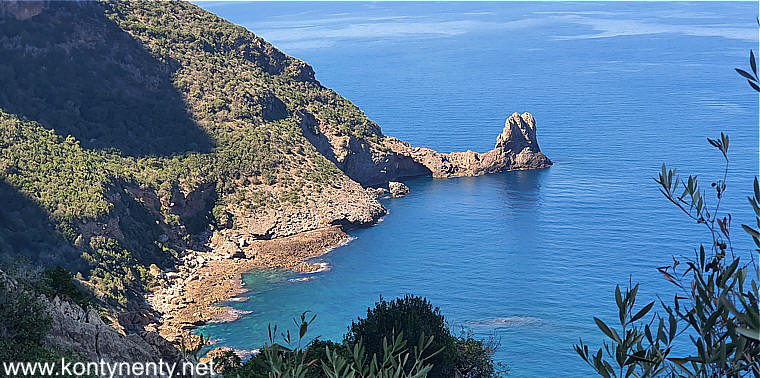
After descending the pass, I could look west: the landscape was pristine, without any traces of human activity: deserted, rocky beaches and a lonely rock guarding the access to the cape:
Po zejściu na przełęcz mogłem spojrzeć w kierunku zachodnim: krajobraz był dziewiczy, bez śladów jakiejkolwiek działalności człowieka: bezludne, kamieniste plaże i samotna skałka strzegąca dostępu do przylądka:
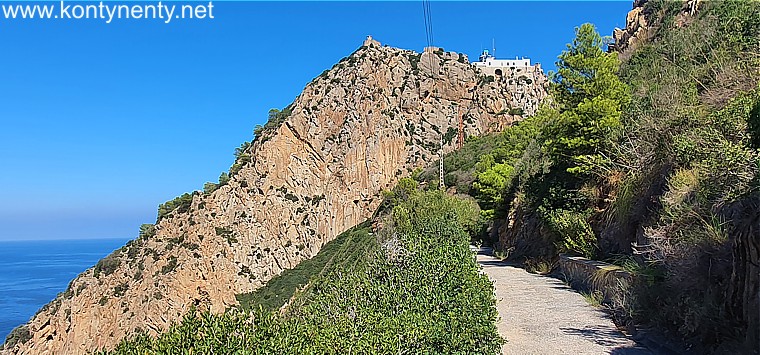
I found no one at the pass. It turned out that the trail leading down was destroyed – there was no access. The second trail (pictured below) led towards the lighthouse. I had followed it for about 200 meters when, from above – from the lighthouse – French shouts rang out: "Revenir! Come back!" I saw the silhouettes of soldiers. They must have been observing the lone hiker through binoculars. What could I do? I turned back!
Na przełęczy nie zastałem nikogo. Okazało się, że początek ścieżki prowadzącej w dół jest zniszczony - nie ma do niej dostępu. Druga ścieżka (na zdjęciu poniżej) prowadziła w kierunku latarni. Przeszedłem nią dalej około 200 metrów, gdy z góry - z latarni odezwały się francuskie okrzyki: Revenir! Wracać! Zobaczyłem sylwetki żołnierzy. Musieli przez lornetkę obserwować samotnego wędrowca. Co było robić- zawróciłem!
The climb back up to the tunnel took me about half an hour. Although I didn't reach the lighthouse, the stunning scenery of Cape Carbon made the trip a success. At the hostel, they explained that the mountain on the cape was a military area and civilians weren't allowed there.
Powrotna wspinaczka do tunelu zabrała mi około pół godziny. Mimo, że nie dotarłem do latarni wspaniałe krajobrazy Cape Carbon sprawiły, że uważam tę wycieczkę za udaną. W hostelu wyjaśnili mi, że góra na przylądku jest terenem wojskowym i cywilów tam nie wpuszczają.

The next morning, Zak helped me hail a cheap car through Yassir, who took me to the airport for 300 dinars. The security checks before my low-cost Transavia flight to Paris took a while, but everything turned out well. The journey through an unfamiliar region of Algeria was a success. I recommend this route to other travelers – despite some difficulties, it's an interesting and affordable country to explore!
Następnego dnia rano Zak pomógł mi wezwać przez Yassir tani samochód, który za 300 dinarów zawiózł mnie na lotnisko. Kontrole przed odlotem samolotu taniej linii Transavia do Paryża trwały długo, ale wszystko skończyło się dobrze. Podróż przez nieznany region Algerii zakończyła się sukcesem. Polecam tę trasę innym podróżnikom - mimo pewnych trudności jest to ciekawy i niedrogi kraj do odkrycia!
